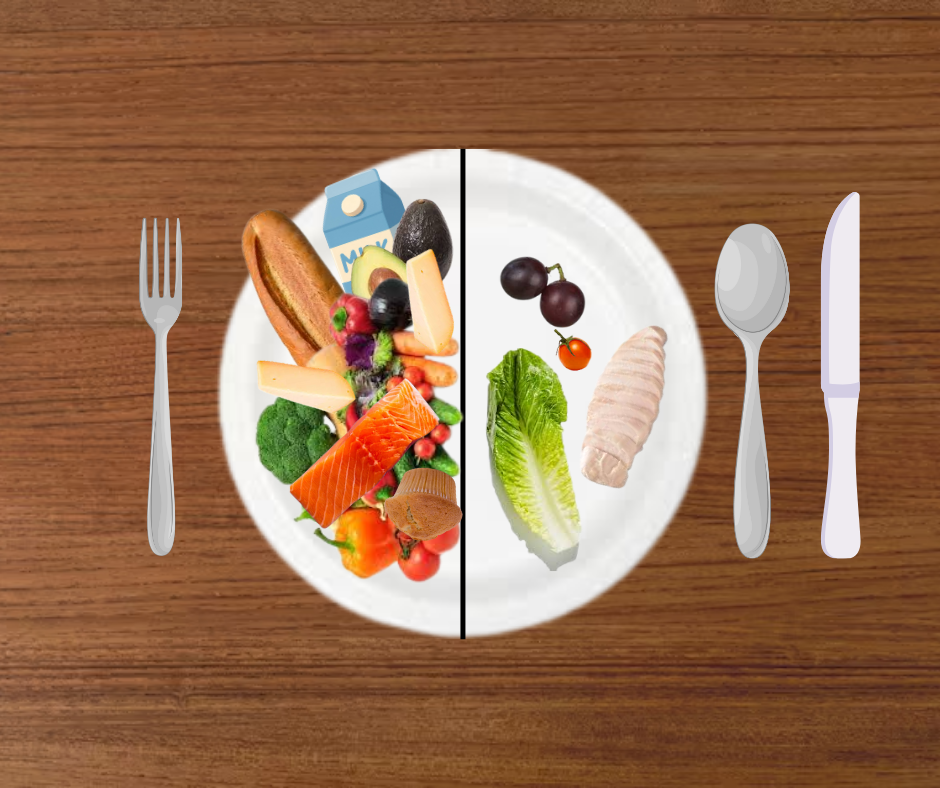
Cutting, a fitness trend and strategy promoted by influencers to look lean and muscular, has fueled what experts are calling an epidemic of energy deficiency among teens and athletes.
Cutting is the restriction of calories to reduce body fat; it is a part of a bodybuilding strategy that cycles with bulking, eating in surplus to build muscle. The trend has exploded on social media over the last three years, fueled by fitness influencers, and is most popular with teen athletes and bodybuilders.
But that calorie restriction has negatives: “When calories are too low, the body breaks down muscle for energy and goes into fat storage mode,” said Mr. Chris White, the Director of Sports’ Health & Safety at Brophy.
This trend is so widespread and has so many health effects related to it that experts have labeled it an epidemic called Relative Energy Deficiency in Sport, or RED-S. With four of the biggest risks being an increased risk of injury, low testosterone, poor bone health, and impaired performance in academics and athletics
Mr. White said, “The most disturbing thing is that this absolutely will affect performance, affect their ability to train, and cause long-term health consequences like immune system compromise.”
According to Mr. White students are showing up pale, tired, and falling asleep. “Your brain uses up to a quarter of your energy,” said Mr. White . “If you’re low on calories, you’re not going to be able to pay attention or focus on schoolwork.” This also affects students’ immune systems, causing them to get sick more often and miss additional class time.
Students are getting their workout information and standards from influencers who aren’t experts and just look good. This mirrors the same kind of behaviors that are seen in eating disorders, where students try to seek control over their bodies and end up breaking down themselves and others just because of peer pressure.
In an interview with a former anorexia patient ,who wished to remain anonymous, said, “They weren’t necessarily encouraging me to lose weight, but we were all like, ‘Yeah, I’m just gonna eat two grapes for lunch,’” describing her experience with the peer pressure that propelled the eating disorder. “We were kind of fueling each other’s fire.”
Her advice to kids now is, “You don’t have to eat less. You just have to eat healthy.”
Students trying to look like their favorite influencers and not listening to experts are just hurting themselves. One of Mr. White’s final notes: “Seek out reliable, evidence-based science, talk to experts, eat well…you’ll feel better, function better, and perform better.”
This article was created by student journalists, with limited use of generative AI in accordance with our generative AI policy under editorial supervision.