













Teenagers today face more pressure to spend money than ever before to keep up with trends sparked by social media, influencer promotions, and constant new product releases.
Consumerism is the culture of encouraging people to buy more goods and services, sometimes beyond their basic needs, and it can take many forms: buying the latest golf gear, in-game currency, or popular clothes and accessories.
Teenagers have reflected this, A Piper Sandler survey found that U.S. teens now spend about $2,388 per year on average, which is 6% more than last year.
“Consumerism can pose a real challenge to younger people and their desire to save and be frugal,” said Father Simon Zachary S.J., a government and economics teacher at Brophy.
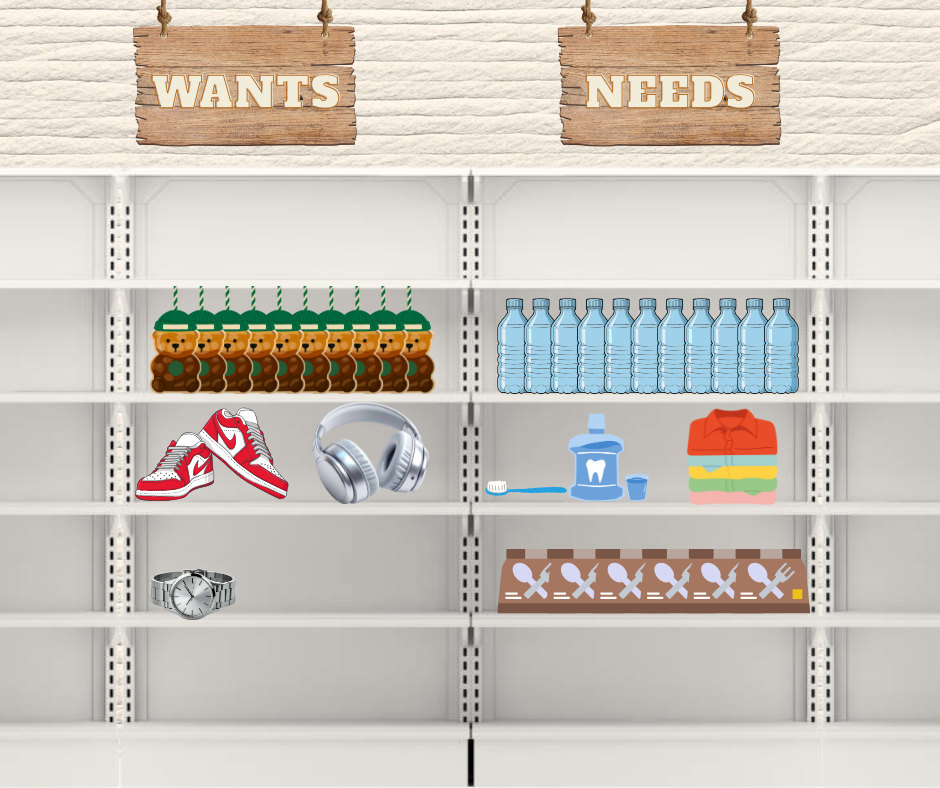
Especially online, the boundaries between wants and needs are often blurred, which leads teenagers to spend money unnecessarily.
When asked about how wants can start to feel like needs, Fr. Zachary said, “What might be more of a want could seem like a need if somebody gets the sense of, like, ‘oh, everybody around me has it.’”
According to a Pew Research Center survey, about one‑third of teens use social media “almost constantly.”
Influencers promoting products online can lead teenagers to think that what they first wanted is now a need, causing them feel left out if they don’t get certain products.
This culture of consumerism can directly affect teens’ abilities to save money.
“Just because you can doesn’t mean maybe you should,” Fr. Zachary said. Hyper-consumerism can lead teens down a path of financial instability and debt.
However, there are multiple ways of combating this, being aware of advertisements and online promotions can help teens avoid hyper-consumerism. Just being able to tell when products are marketed to create pressure or insecurity can help teenagers make more careful choices about what they buy.