















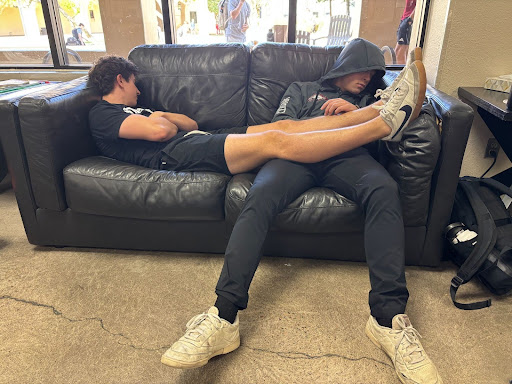
A growing number of Brophy students have begun turning to phone-locking apps and built-in shutdown features as a way to force themselves off their screens at night. With teen sleep levels at historic lows nationwide, some students say technology is no longer just keeping them awake but has become one of the only things that can also help them sleep.
New research from the Journal of Clinical Sleep Medicine links bedtime screen use to later sleep onset and fewer total hours of sleep. The Sleep Foundation also reports that screens can delay melatonin, making it harder to fall asleep even after devices are put away.
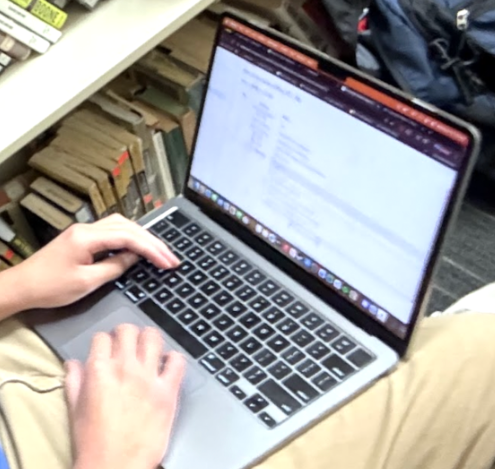
Lev Sheinbein ’27 said he often stays on his phone longer than planned.
“I’ll be on my phone way longer than I mean to, usually just scrolling or watching stuff,” said Sheinbein. “I don’t even realize how late it is, and I’ve tried other things, like reading, but I never really stick with them.”
He said he would consider using an app that shuts off his phone at a set time. “I’d be down to try something that turns my phone off at night,” Sheinbein said.
Apps and phone features that limit access are becoming more common. Apple’s Screen Time locks apps after a chosen hour, and apps like Freedom, Forest, and Opal block common distractions. The Sleep Foundation reports that cutting down screen use before bed helps teens fall asleep faster and improves overall sleep quality.
Jack Lesselyong ’27 said he struggled with staying up late but found success using Screen Time.
“I use the Screen Time feature on my phone to shut everything off at 11:00,” Lesselyong said.
“Once the apps lock, I don’t really have a choice but to get off my phone.” He said the change helped him fall asleep faster and wake up more refreshed.
Brophy athletic trainer Mr. Chris White said that realistic changes, like limiting phone use at night, are often more effective than relying on willpower alone. “
You can tell pretty quickly when a student isn’t sleeping well,” Mr. White said. “Their attention, their engagement, even just their presence in class changes. And for athletes, lack of sleep raises stress hormones, which makes muscle injuries more likely.”
For students who are not willing to read before bed, tools that are able to reduce temptation rather than relying on self-control may offer a practical path to healthier sleep habits.