


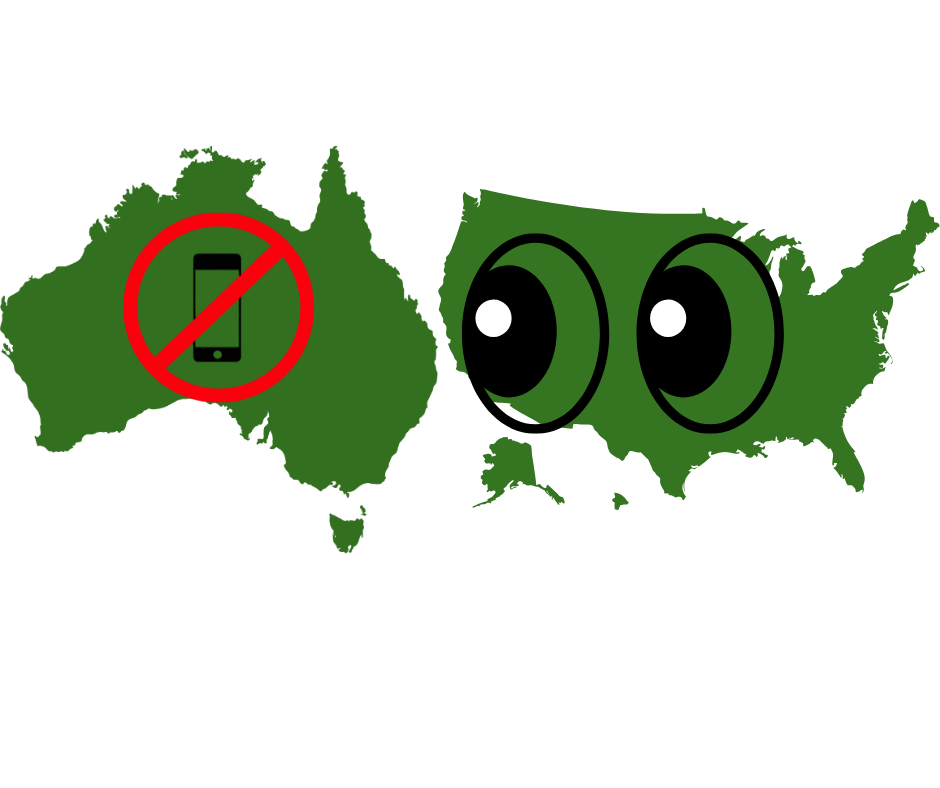
Australia banned social media for users under 16 on December 10, becoming the first country to enforce such a restriction. Now U.S. officials are asking whether America should follow.
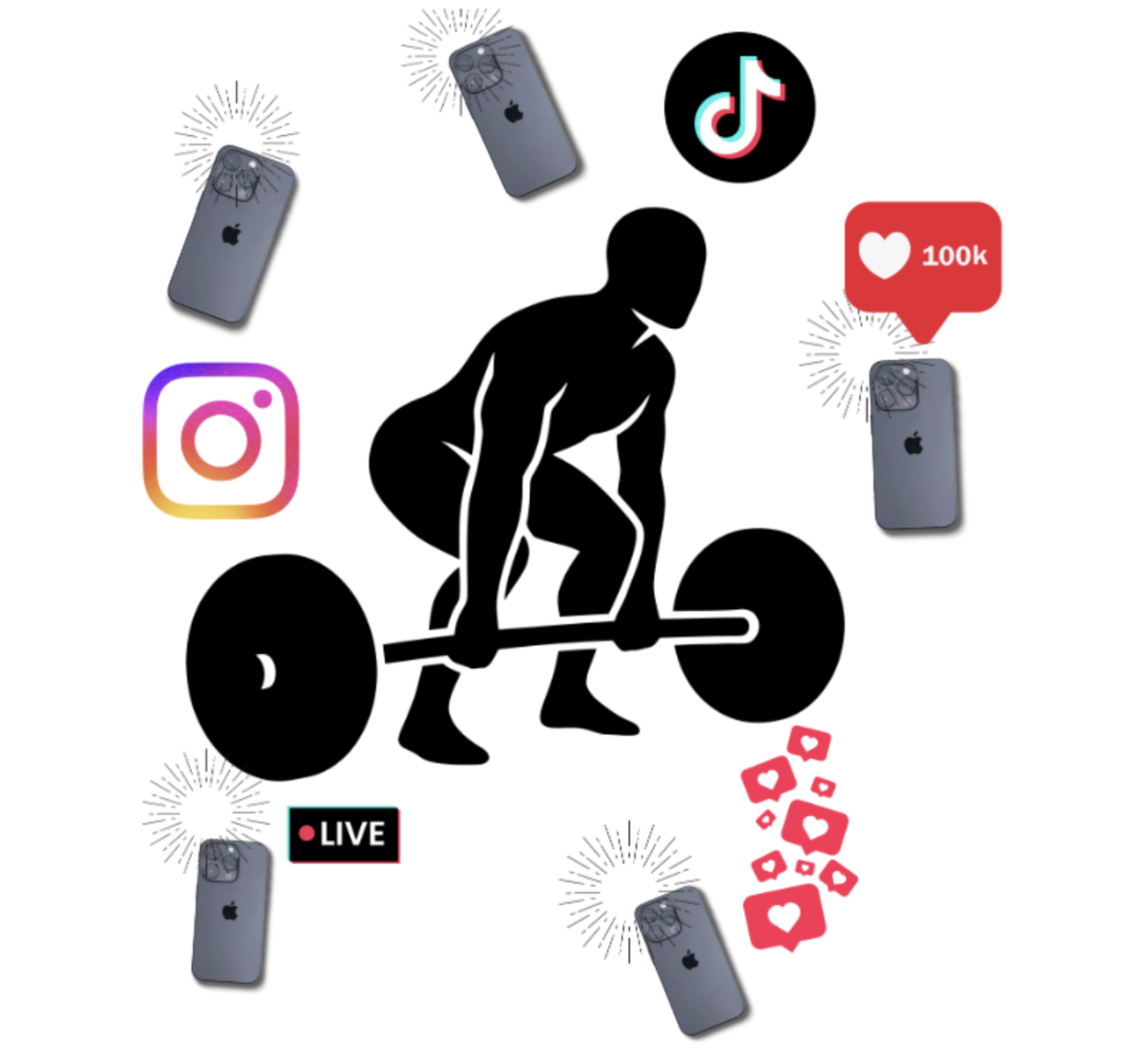
The law targets major platforms including Instagram, TikTok, Snapchat, and YouTube, imposing fines on companies that fail to block underage users. According to Reuters, several countries including Denmark, New Zealand, and Malaysia have indicated they may study or emulate Australia’s law. “The big question is should children have the same rights as adults,” said Ms. Kelly Guffey, an AP US Government and Politics teacher. According to Ms. Guffey, governments have long decided to restrict certain rights of children in order to protect them from threats.
There is also support for a ban in the U.S. as nearly six in 10 voters, in a Quinnipiac University poll conducted in late 2024, said they would like to see similar age restrictions. The debate raises questions about whether American teens could soon face the same limits, and how effective it would be.
According to a statement from the Prime Minister of Australia Anthony Albanese regarding the ban, “This is a world-leading move by Australia and it is a change driven, overwhelmingly, by Australian parents. As Prime Minister, I’ve had the sombre experience of meeting with mums and dads who have seen their child’s wellbeing crushed by the worst of social media.”
The ban is gaining international traction with France recently announcing a plan to follow the ban in late 2025. The ban is also being brought up in the US. According to Ravi Iyer, a managing director of the University of Southern California Marshall School’s Neely Center in an interview with CNBC, “It’s really hard to predict Federal policy, but it is one of the few bipartisan issues left, so it certainly is possible. I’m more confident at the state level and I believe we will see a few U.S. states enact such a policy in the next couple years.”
The current regulatory landscape in the US is relatively empty as there are not lots of laws that regulate social media according to Ms. Guffey, an AP US Government and Politics teacher at Brophy. “It is up to the media company itself to decide what type of regulations they want to put on, ” Ms. Guffey said. This lack of regulation has led to more calls for strict laws to be passed to specifically protect children on social media.
A ban in the US could face legal challenges in the form of lawsuits. Under current US case law, the ban would have to meet the three part strict scrutiny test applied to free speech issues. This test requires any restriction on free speech to be a “Compelling Government Interest,” “Narrowly Tailored,” and the “Least Restrictive Means” (meaning the law must be the most minimally invasive way to achieve the goal).
The other issue is political. “The people that would be the most outraged would be young people, and they don’t vote. So it would be more about whether parents and adults believe that this actually harms kids versus the benefits their kid might have by being online,” Ms. Guffey said.
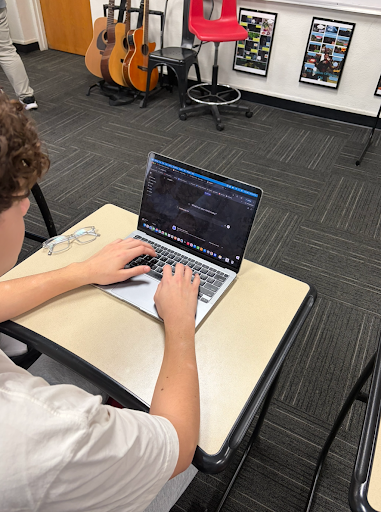
Students in both the US and Australia have expressed skepticism of the ban. According to Mason Cavallo ‘26, he is skeptical of a ban due to the ease in which it can be circumvented with tools like VPNs. A New York Times article reported that Australian teens under 16 expressed similar confidence in their ability to bypass the ban. “I think the same logic of making it something incredibly exclusionary will just make kids want it more,” Cavallo said.
Australia has blazed a trail, but whether the U.S. will follow, and whether any ban can actually keep teens offline, remains to be seen.