
















Democrats won control of both Congress and the Arizona Legislature in the 2026 midterm elections, and the leaders of Brophy’s political clubs are now weighing what those results mean for their futures.
Democrats won majorities in both houses of Congress. They also took the Arizona House, Senate, and governor’s office, securing a political trifecta in the state for the first time since 1966. In addition, Democrats turned two of Arizona’s nine districts, meaning the party will be represented in Arizona delegation to the US House of Representatives with the 5-4 majority.
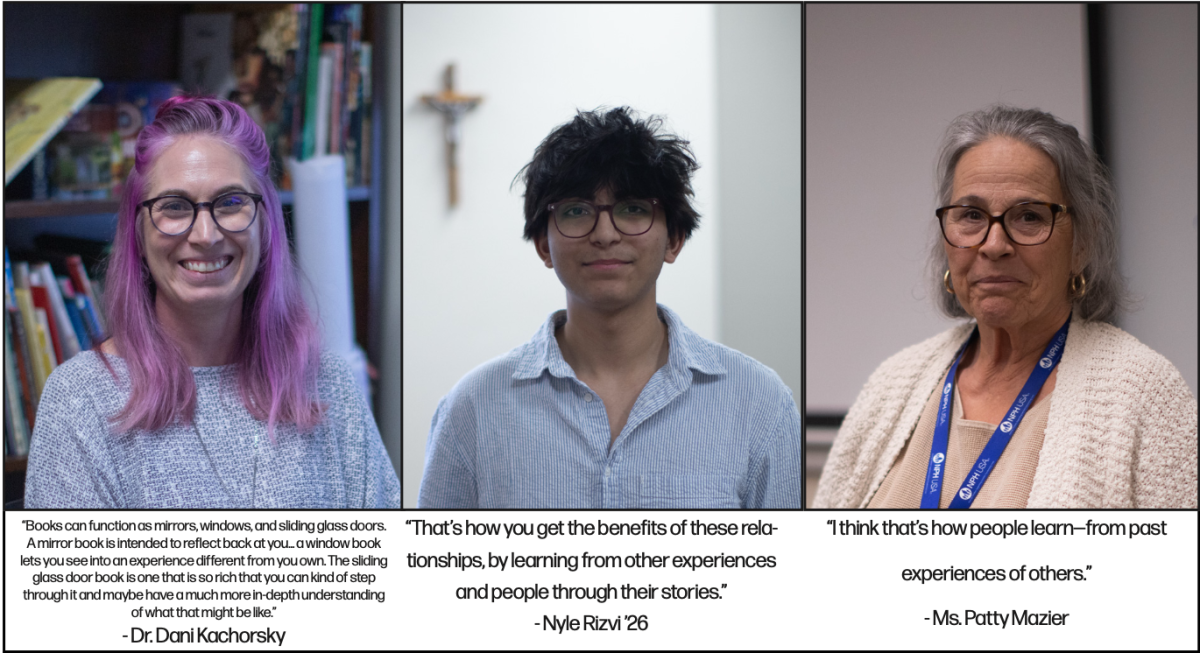
According to Kathan Cherukuri ’27, Student Leader of Young Republicans, the victory was a reflection of discontent with President Donald Trump rather than the rejection of the party itself.
“The results don’t show that people are very excited about the Democratic Party… but more that they dislike the president. Because, again, the president is the face of the party,” Cherukuri commented.
Building on that point, he criticized the candidate selection process and outside spending of the party, saying that Republicans could not connect with voters due to a lack of grassroot organizations. Cherukuri warned that if the party becomes too tethered to Trump, Republicans risk losing the presidency in 2028.
Tom Danforth ’78, moderator of Young Democrats, said that the victory of Democrats in Arizona and other places across the nation exceeded his expectations and should mostly be attributed to people’s financial problems.
“I think affordability was, first and foremost, the top issue,” Danforth said.
Danforth said Democrats need to turn their congressional control into real economic relief, pointing to issues like gas prices and housing, which directly affect how much families spend each month.
“They can’t just put on a show,” Danforth said. “They’ve got to actually produce.”
Both party leaders mentioned the impact that the younger generation would have on their respective future paths. According to Danforth, younger generations participate in campaigns through canvassing and communicating with voters and need more chances to take a lead within both parties.
“It is time for my generation to step aside in the leadership roles,” Danforth said.
When it comes to younger people closer to home, though, Danforth has not seen a similar rise in students’ interest or involvement in politics at Brophy, noting that students here arrive with views shaped largely by their families.
As both parties look ahead towards 2028, this election left them with distinct challenges, and how they handle those challenges will likely determine whether voters show up for them again. Republicans have to decide how to deal with the legacy of Donald Trump, while Democrats have to prove that they can use their political power to make changes that voters expect.
For both parties, the real test starts now: whether they can turn election results into action voters actually see.