
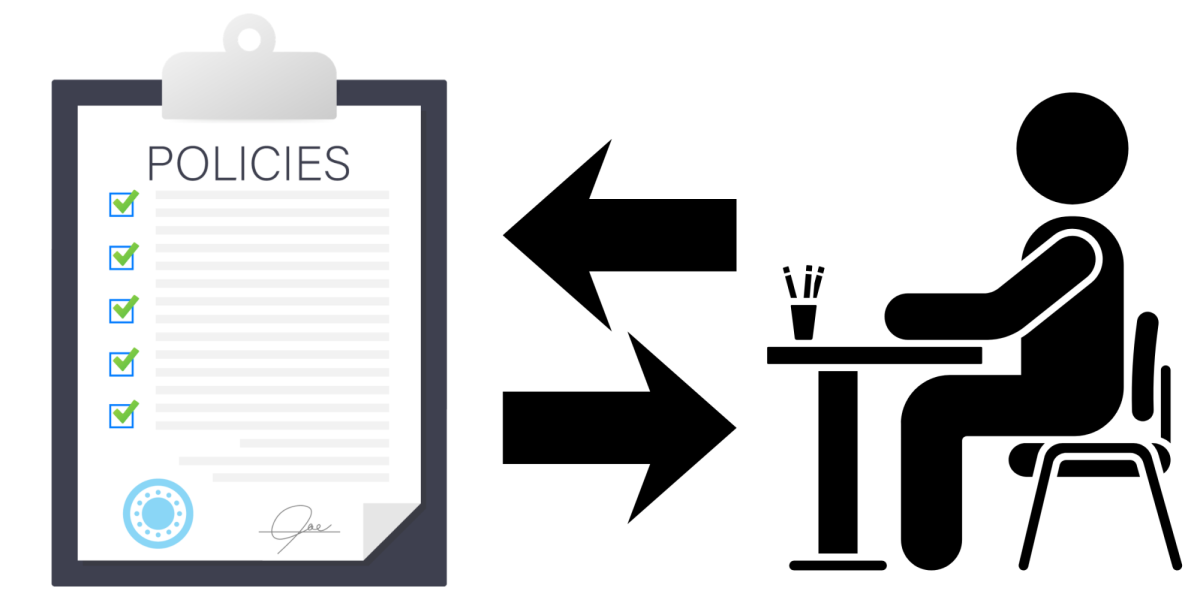













At the beginning of the school year, students at Brophy have been told specifically that on the second offense of cheating, they will be subject to being sent to the Disciplinary Review Board.
This second offense consequence has been stressed this year because of rising trends in cheating and the need to respond by accentuating the expectation to maintain academic honesty.
When asked why there is an emphasis on sending students to the disciplinary review board on the second offense of cheating rather than on the third, as it has been presented in previous years, Dean of Student Formation Dr. Brian Johnson said, “I think that was really, to me, the driving force: resetting those academic expectations.”
A student is sent to the Disciplinary Review Board to have their place at Brophy questioned after violating the Code of Conduct on a high level or excessive scale.
The people on the Disciplinary Review Board can vary each year, but it generally consists of different administrators. It can sometimes have a faculty representative, a faculty advocate, or somebody from the college counseling department.
Dr. Johnson noted that the handbook has always been clear to note that even one instance of academic dishonesty could possibly result in meeting with the Disciplinary Board.
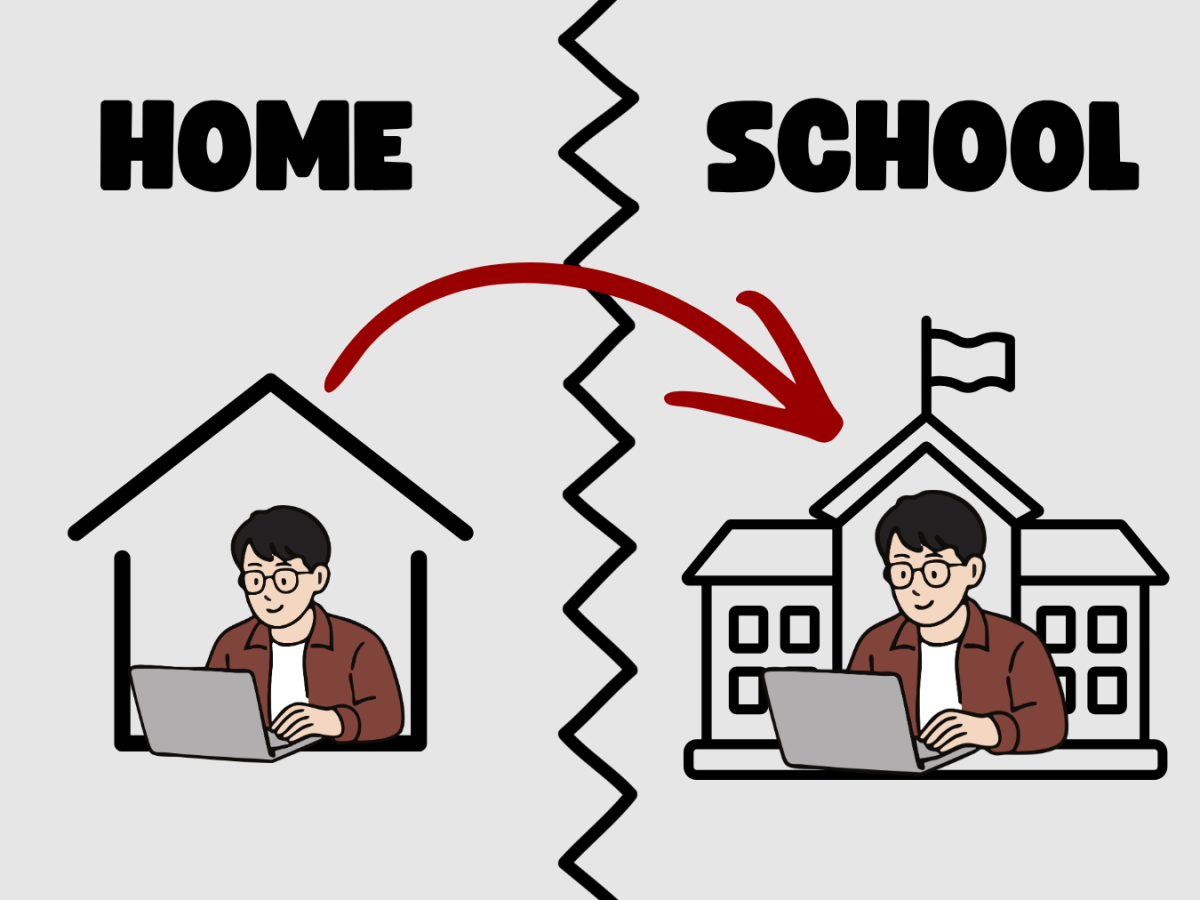
Dr. Johnson said, “I think, in terms of practice, what’s been updated is really just trying to keep up with everything that we’re seeing from students, not only at Brophy but nationwide. I think part of an unfortunate trend is that, with access to technology and the ease with which kids can make decisions to take shortcuts, the institution has to keep up with that. That’s the best way I could describe it.”
Dr. Johnson continued by saying that he’s “ talked to faculty, students, parents, and other administrators” in order to prevent any instance of cheating from occurring.
Assistant Principal for Academic Affairs Mr. Seamus Walsh said, “Schools are looking much more carefully at the idea of academic dishonesty, because it is just so much easier to be academically dishonest”.
Mr. Walsh’s statement presented that cheating, made easier with AI, is not only part of high-school but all schooling levels which may lead admission teams to struggle in the ability to determine which grades are authentically earned.
Mr. Walsh said, “While we don’t rank students, kids do come out of high schools with GPAs and grades, and they apply to colleges, often the same colleges.”
“It is not fair for different kids to have different playing fields when they’re trying to compete for college admissions or scholarships,” said Mr. Walsh.
Dr. Johnson concluded, “My goal as Dean…is to help everybody graduate. That makes me happy, and it’s fulfilling to see.”