

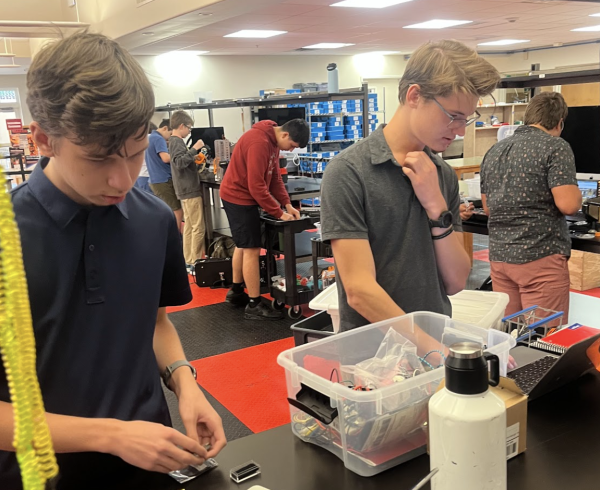









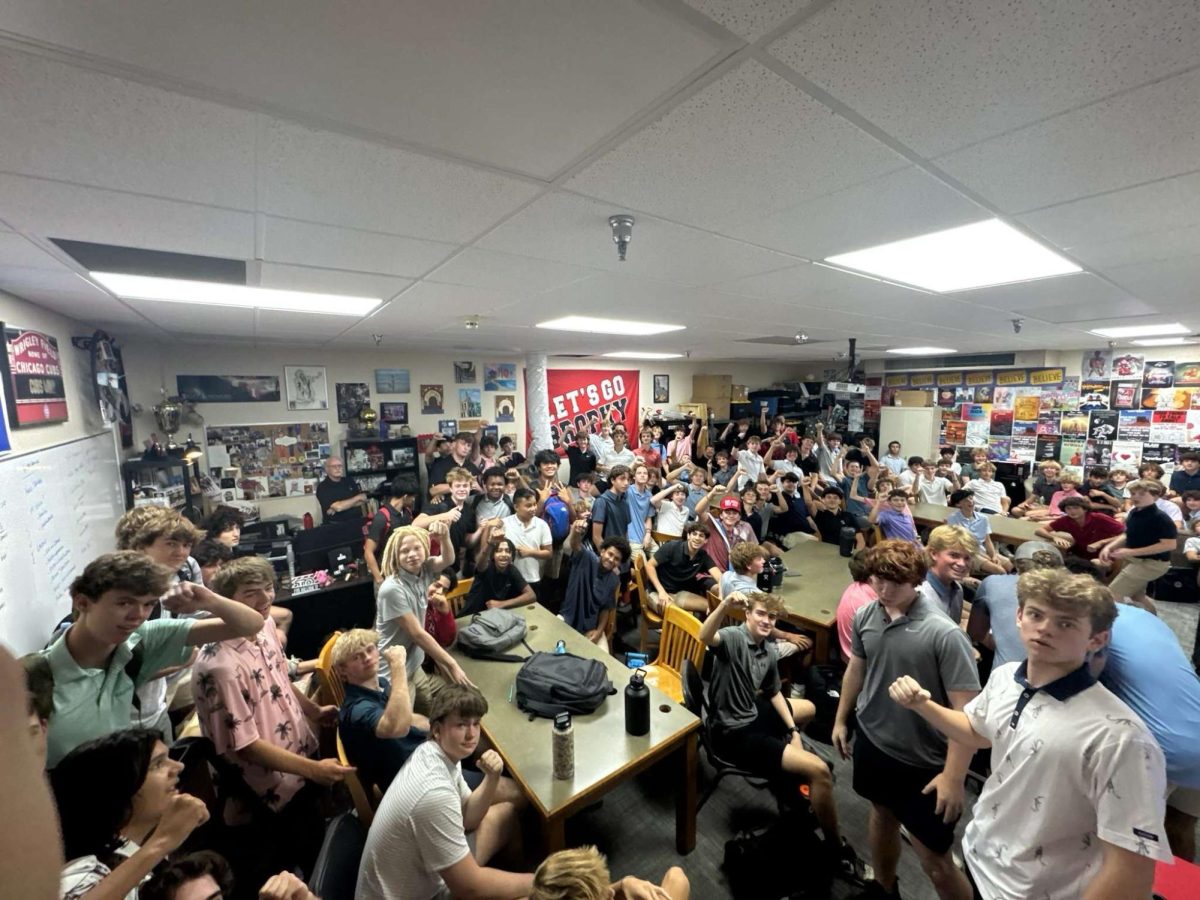
CubeSat is a club at Brophy with the goal of launching a satellite into space. The launch is expected to occur on December 10th. The launch is not only a practice for the club in design, but also being used to test possibly cheaper solar cells to make launching satellites more accessible.
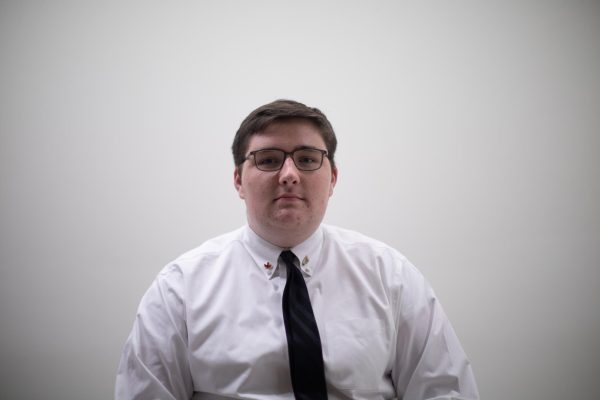
The club’s co-presidents, Lucas Vargas ‘26 and Leo Ma ‘26, joined in their freshman year.
“I was interested in space and space flight ideas,” said Vargas, describing his reasons for joining. He came into the club with little to no experience in design and technology.
The club itself originally had a goal of designing a satellite to detect valley fever, but had to pivot. “There were some new studies that we published proving there was little correlation between dust patterns and valley fever,” Vargas said.
The club has changed its goal to improving access to launch CubeSats, specifically by lowering the cost. “We are searching for something to level the playing field,” Vargas said. That something came in the form of a new solar cell from ASU, which is being tested on the Desert Sky 2 launch. On board, the club is launching new, potentially cheaper solar cells. developed by the ASU solar laboratory. “The main draw is if they are as efficient as other solar cells, they could significantly reduce the cost of future CubeSat launches,” Vargas said.
The club faces many challenges to launch, however.
The most recent balloon launch was last March and indicates problems that might arise with Desert Sky 2. “The GPS tracker went out in the middle of flight on our last balloon launch,” said Ma, “We thought it had crashed somehow.” The club intends to address the problem with a new radio and backup GPS.
The balloon is also expected to climb to 100,000 ft in the air, exposing it to even more extreme conditions.
“It’s as extreme of an environment as you can get on Earth,” Vargas said. The balloon will experience extreme winds, extreme cold, and low pressure all of which could mess with the electronics.
Launch day itself is a complex affair. “We have written up a very detailed checklist for what to do on launch day, ” said Ma.
The club has two teams, one to focus on filling up the balloon with helium, and the other to check the electronics. “Once everything is ready, we will call the FAA to let them know we are launching, and then we will let go of the balloon,” Ma said.
The second part of launch day is recovering the balloon. “Beforehand, we will simulate where the balloon is likely to go, and we will drive to it,” said Ma. The club will then try to recover the balloon when it returns to the surface.
This launch could be a milestone for both the club and Brophy. “This is the most advanced weather balloon launch the school has ever done,” Ma said. Not only could the launch lower the costs for future launches, but it also signifies the technological ability of the club.
The club hopes to potentially launch more complex sensors to gain more data from future launches. They also hope it can serve as an inspiration for current and future students.
“With the right dedication and passion, you can get almost anything done on campus,” said Vargas.