








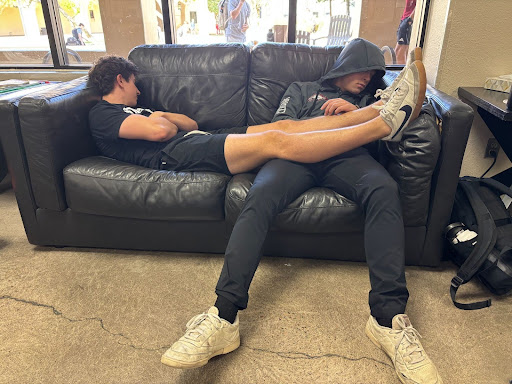






Every year, seniors zone out in class as graduation draws closer. But instead of seeing this as a problem, teachers should embrace it as an opportunity to rethink how we engage students.
Senioritis isn’t laziness; it is a natural response to years of academic pressure, and it’s time we adapt our teaching methods to meet seniors where they are.ats
Instead of traditional teaching methods like lectures and exams, leaning more into project-based learning and student-driven discussions can help with seniors’ engagement.
Giving students more autonomy through passion projects or real-world applications helps them feel the relevance of their learning, making it more meaningful.
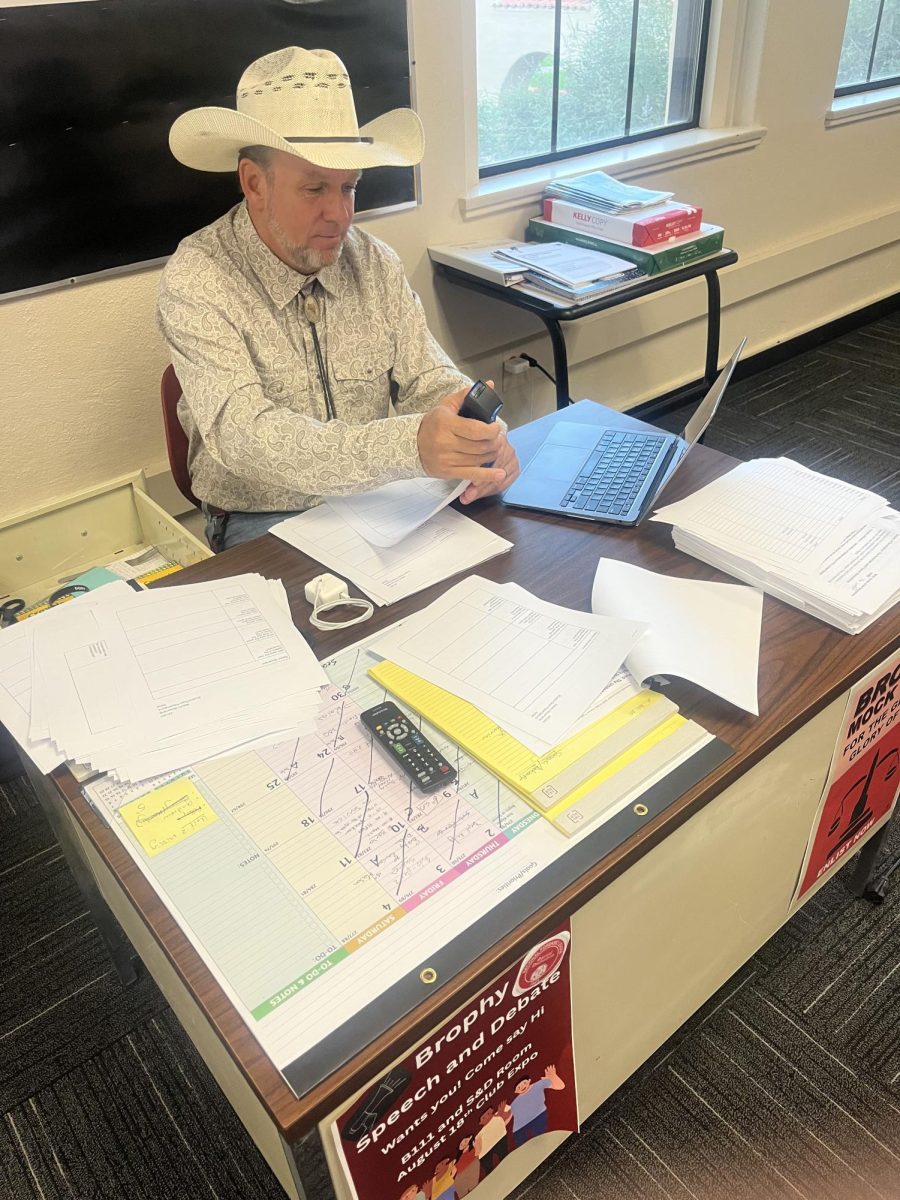
Mr. Hunthausen ’03, who teaches multiple senior classes, emphasizes the importance of meeting students halfway.
Hunthausen said, “coming up with projects and assignments that are moderately entertaining for all parties involved.”
These kinds of assignments don’t just maintain the seniors’ interest but also adjust the classes they acknowledge students’ disinterest and burnout nature towards standardized teaching methods
When students enjoy the work they are doing, they’re more likely to stay focused and committed. These commitments also have benefits.
“Otherwise we’re gonna take off points,” said Hunthausen, “which will reflect in their grades, which do matter till the end.”
This is a reminder that no matter how lazy seniors get or how much teachers change classes, bad grades are enough motivation to keep students working.
Teachers don’t need to sacrifice standards to keep seniors interested; they just need to shift their approach. By making learning feel more relevant and collaborative, we can turn the final stretch of high school into something more meaningful than just counting down the days.
