
















The Eagles had what is considered a widely successful 2024-2025 season. They signed a roster of skilled players and won the Super Bowl. They did this by using tactics to try to stretch the amount of money allocated to them by the league to pay players.
The person at the head of this effort is Eagles General Manager Howie Roseman’s high-stakes financial gamble. Using the same aggressive salary cap manipulation that helped win the 2017 Super Bowl, Roseman has pushed most of these expensive contracts into future years, betting that rising football revenues will cover the bills. But if he’s wrong, next year the Eagles could face major problems.
In the National Football League (NFL), each team is limited by what is called a salary cap. The salary cap is linked to a percentage of league-wide revenues and distributed to each team to spend on player salaries and bonuses.
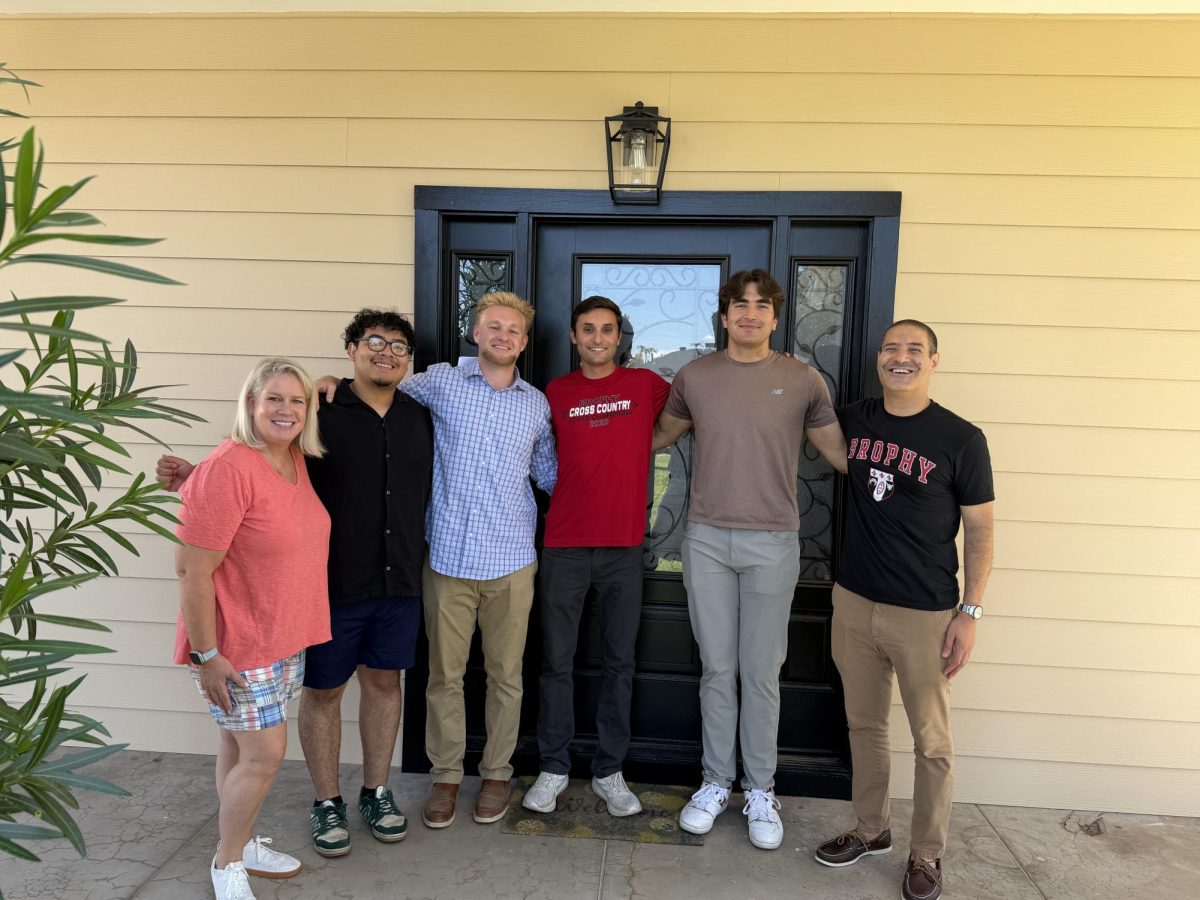
“The overall goal with a Salary Cap is to create competitive balance among the teams, so you don’t have one team that outspends everyone and gets all the players,” said Mr. Steve Shaff, head of the Brophy Sports Business Club.
The cap tries to prevent teams with the most money from simply buying up the most expensive players. However, teams often try to stretch this cap as much as possible; the more money they have, the more they can spend on good players. As an example, CBS Sports explains how Roseman’s Eagles will often take a large player salary and turn it into a bonus, allowing them to stretch the cap hit (the amount of money it will take out of that year’s cap) over 5 years. The end goal of these strategies is to push the bulk of the cap impact into the future.
The reason the Eagles seek to push their costs back is so they can gamble on how much the NFL’s revenue will go up. “They are taking risks they know might be covered by pushing those salaries out. You see teams push those things out because they know the cap is going to go up,” Mr. Shaff said. “Teams are betting on the fact that NFL revenue will go up enough in the future to cover the delayed costs. The Eagles specifically are betting on a massive revenue increase for the NFL when it can finally opt out and renegotiate its TV deals in 2029. The S&P Global states that this deal is expected to make the league several billion more dollars.”
But as Mr. Shaff explains, this strategy is not without risk, as the teams still have to pay the costs regardless of what actually happens. If the league revenues do not increase as much as expected, the Eagles would be severely over the cap limit, forcing them to cut large parts of their roster.