
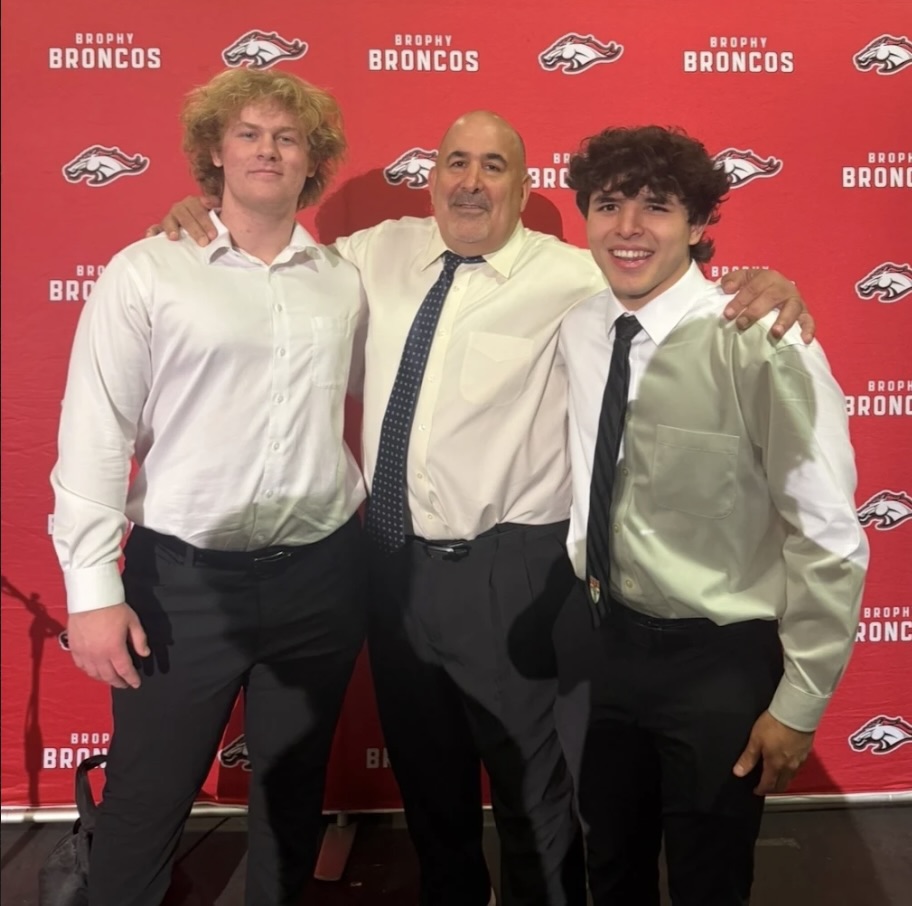




“We were impacted, 3 all-state guys were injured. Adam Angulo was out with concussions. Blake Sweetman fractured his back. Landon Durek, our 190-pounder, separated his shoulder. We were out, three all-state guys,” said Mr. Wayne Catan, Head Coach of Varsity Wrestling, when reflecting on this past 2025-2026 Season.
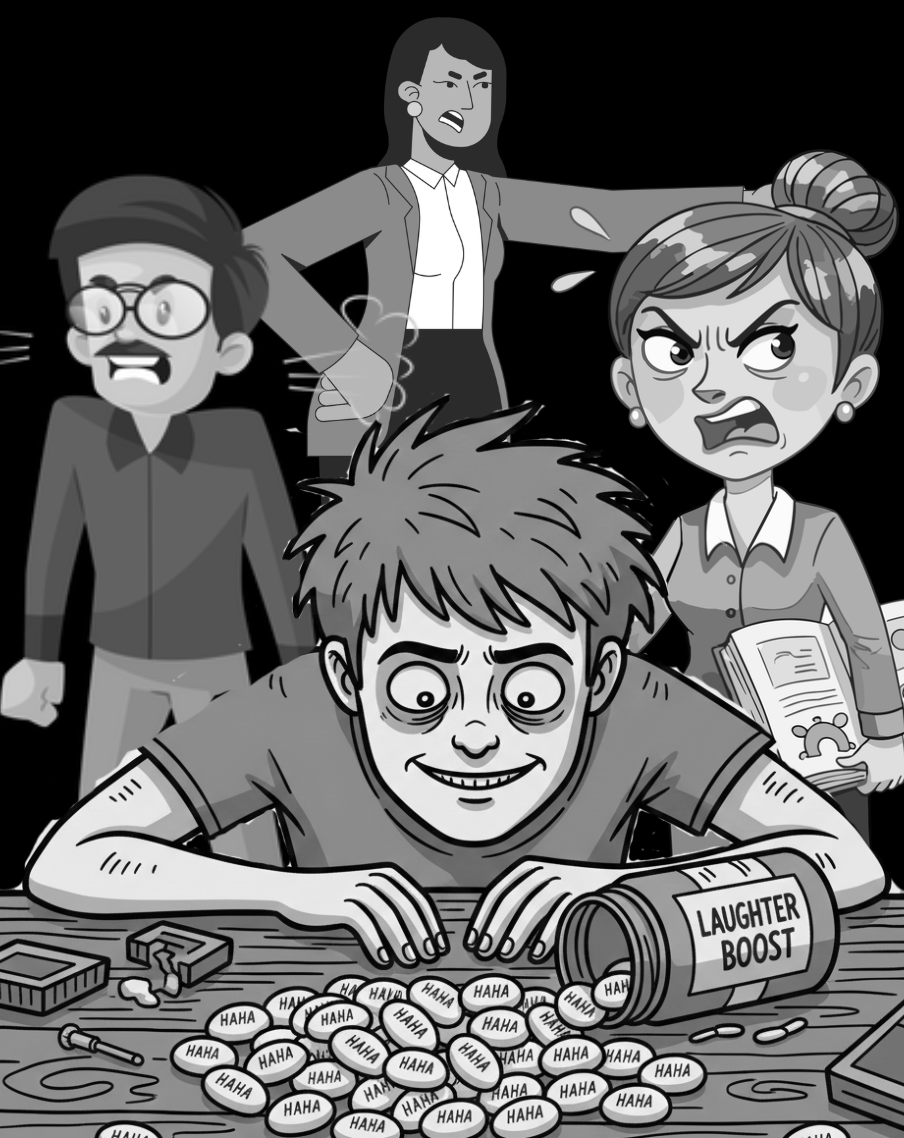
For an athlete, an injury can shatter one’s identity. When the ‘Sidelined’ effect treats players as disposable, the resulting isolation often leads to a silent, secondary injury of mental illness, but not at Brophy.
The psychological recovery often takes a backseat to the physical, exacerbated by a team culture that moves on without the injured player. As Mr. Chris White, a Sports Medicine and the Honors Anatomy and Physiology teacher, explains, “There’s a culture in sports. Hey, you’re hurt? You know, see you later. Next guy up. Okay, well, what does that say to the person who’s hurt? You’re garbage. You’re not important. Disposable. That’s just not a good one. I hate that. So, socially, emotionally, physiologically, it’s all tied together, and so we have a lot of athletes that go in, you know, that we go to help them through.”
The next man up mentality can be seen as a good thing by many, forcing others to be ready even if they are usually on the bench, but for those who are taken out of the game, it can lead to mental health trouble. Brophy has many resources, like mental health counselors like Dr. Colleen Feeney and peer support through Hope Squad, to help students understand their feelings and better themselves; as Mr. White says, “If need be, we send them to professionals, Dr. Feeney or someone else, so they can get help getting through that period. And if you have an athlete with a season-ending injury…with career-ending injuries. They’re unable to play that sport anymore…And I think it’s easy for adults to say, well, there’s so much more to life, you know, but when you look at an adolescent, that might be the single most important thing in the world for that person. So it could be quite devastating.”
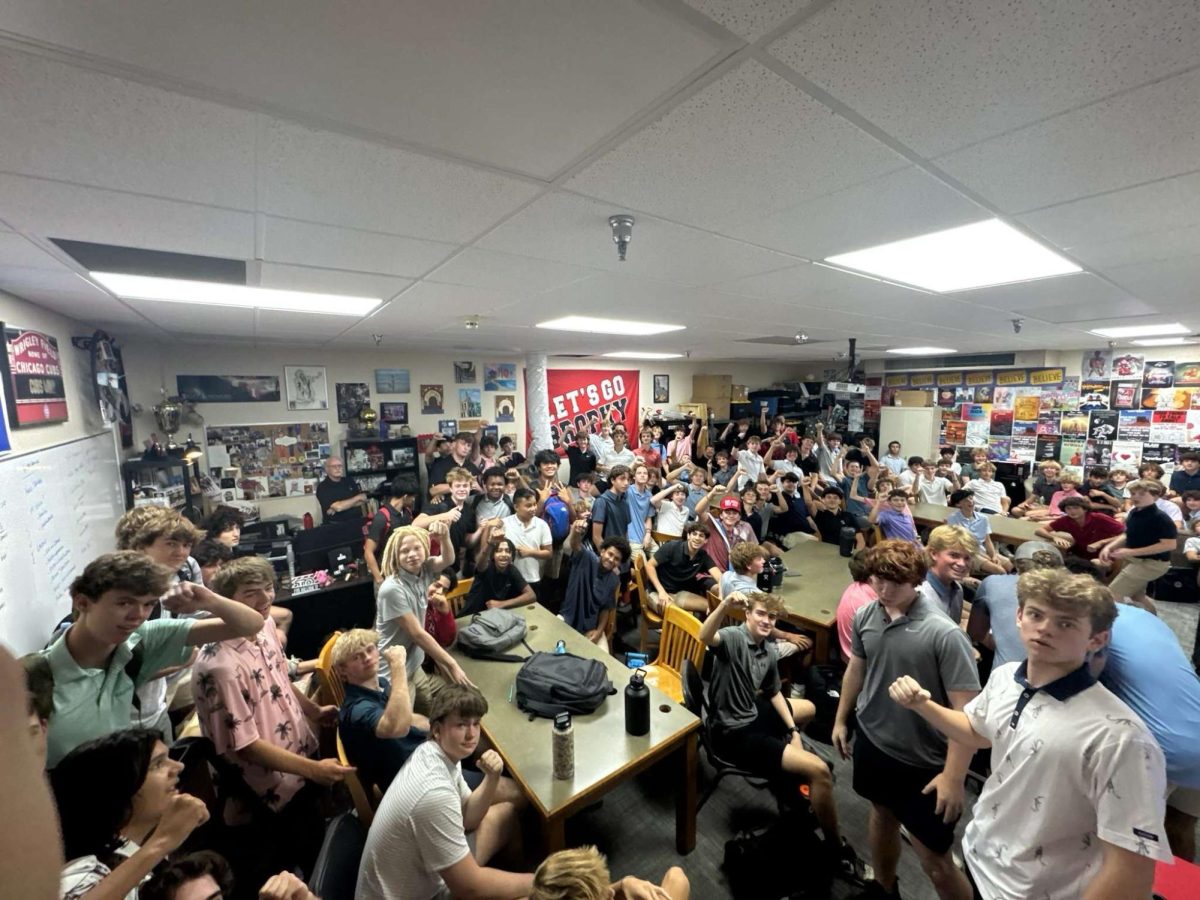
The Brophy Varsity Wrestling Team is a great demonstration of how Brophy does not say “next man up” when three wrestlers are benched due to injury. Mr. Wayne Catan speaks to this, saying, “Yes. And the important thing for me as a coach was to ensure that they were always a part of a team. So they came with us on road trips. They came to most practices every week and did rehab with Mrs. Wade. But I think the important part there, and I think you’re touching on the mental health aspect, is to ensure that they’re always a part of the team.”
The team stayed together no matter how many injuries and kept everyone along, even though they couldn’t compete. Blake Sweetman ‘26 remarks, “I got to come to all the meets and all the tournaments. I came to every single practice… I got to help, like, coach some of the guys. It was really great. I got to help him out. I was also really happy that Coach didn’t, like, tell me I can’t come with and come support the team after having been involved throughout my entire time at Brophy.”
When Adam Angulo ‘26 was asked how how he felt about how this experience affected him, he said, “Mr. Catan allowed me to get through the separation of my injury by still keeping me as part of the team and he’s the reason I didn’t drift into that bad headspace or get all sad cause I couldn’t play, he made sure I wasn’t just some guy on the sideline.”
Injuries, whether small or large, can really strain the mental health of an athlete, and Brophy knows how this can affect our student-athletes as well, so Brophy provides athletic trainers and mental health professionals like Dr. Feeney to help students out of the struggles of mental health.
All in all, Brophy sports, as shown through the Varsity Wrestling Team, keep our athletes in the loop even after a season-ending injury.