














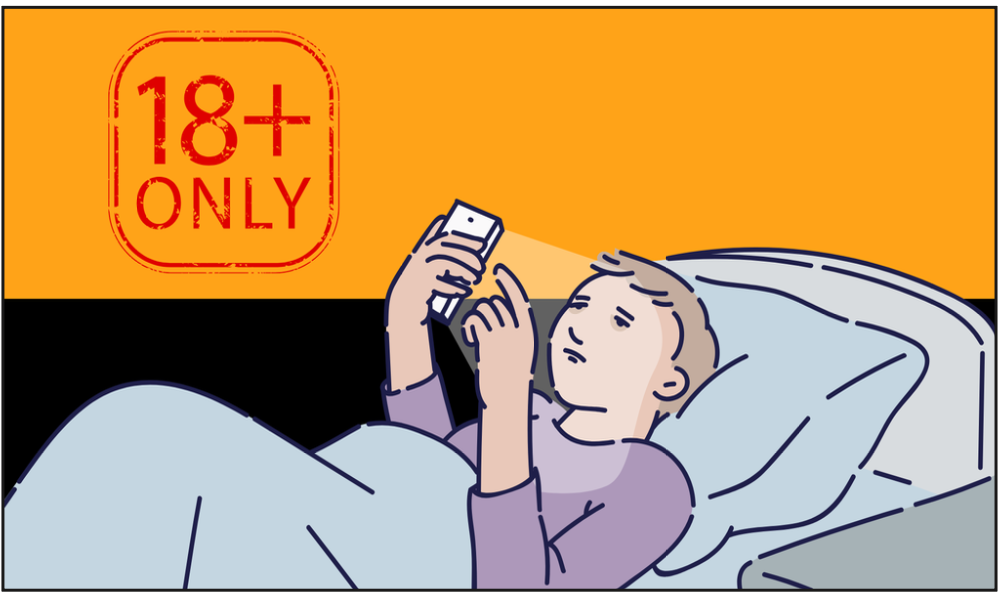
It’s an uncomfortable topic, one that most people would rather not think about. In a world where we have effortless access to high-speed internet, it is easier than ever to be exposed to sexually-explicit content. Over time, it has become commonplace, the “noise” in the background of our digital lives.
This isn’t a rare problem. According to a 2022 report by Common Sense Media, 71% of teenagers report intentionally viewing pornography. And on average, participants see pornography for the first time at age 12, showing how deep this issue has become in teen life.
From a faith point of view, pornography is completely against the values that Brophy teaches. At its core, its problem is that it treats people like objects or pictures, taking away the dignity that defines our humanity. If one teaches that every person has dignity simply by being human, then consuming material that takes that dignity away is a serious moral and personal question.
This effect is not just philosophical but also very personal. At first, we might just be curious about it. Over time, it can become a habit that makes students feel ashamed, like they are isolated and unsure. Instead of promoting freedom, it usually creates an internal sense of constraint, making decisions harder to control and struggles harder to confess.
The truth is that a lot of students are struggling and they do not say anything about it. Dean of Student Support Services Mr. Austin Pidgeon ’08, says that the biggest problem is that nobody talks about these things. “When we don’t talk about these things, they kind of go on and fester,” Mr. Pidgeon said. The result is that shame can begin to build, and the student feels like he is alone, or no longer part of the community.
This is where the Student Assistance Program (SAP) at Brophy is so important. SAP is not a punishment or label. It is a statement of cura personalis, care for the whole person. It is a place where students can get support, understanding, and guidance. SAP exists because students are more than their struggles.
This problem needs to be addressed with honesty and with courage. To take back our dignity does not mean that we do not face our problems, but that we face our problems with the understanding that they can be helped. We are not our problems, and nobody should be made to feel as though they do not belong to the Brophy community when they seek help. True freedom begins not in silence, but in truth and in the courage to seek help.