







Our ability to create and tell stories—more than our bipedal posture, our opposable thumbs, our oddly productive sweat glands—is what differentiates us from all other beings in the animal kingdom. It isn’t a stretch to say that the technological and sociological progress made by humanity over the course of its existence stems from a base desire to connect and share individual lived experiences.
What began as etching pictographs upon cave walls and gathering around the campfire at dusk to gesture and grunt about the day’s events evolved into the solidification of written and spoken language and the advent of tools to catalog stories for mass distribution—ultimately, isn’t that the goal of it all?
Indeed, for a story to be read and understood is for a person to be seen for who they truly are, for a piece of their identity to be displayed, considered thoughtfully, and extended a hand to join together in community. We are no stranger to this phenomenon.
Bypassing race and regional differences, stories of migration bind millions of families from across the globe and across generations, just as accounts of the American Revolution shared in our history classes bolster the patriotism of our very diverse U.S. population, or the tale of the Exodus when the Israelites fled from Egypt—connecting generations to come behind the shared purpose of reaching the promised land.
The macro-effects of storytelling are extremely present in our lives, whether we acknowledge it or not. Storytelling—and story-intaking, for that matter—is about the closest we can get to reading a person’s mind and understanding what dwells within their heart. Its humble beginnings amongst pods of our nomadic ancestors detract nothing from this essence that continues to shine through in every novel, movie, essay, or blog post that populates the Internet.
However, while on a mass scale it seems that great stories are in abundance, the sad reality is that storytelling is a dying art within our day-to-day life. Strangely enough, the greatest outlets we have for refining and sharing our stories have become impediments to being genuine in our storytelling.
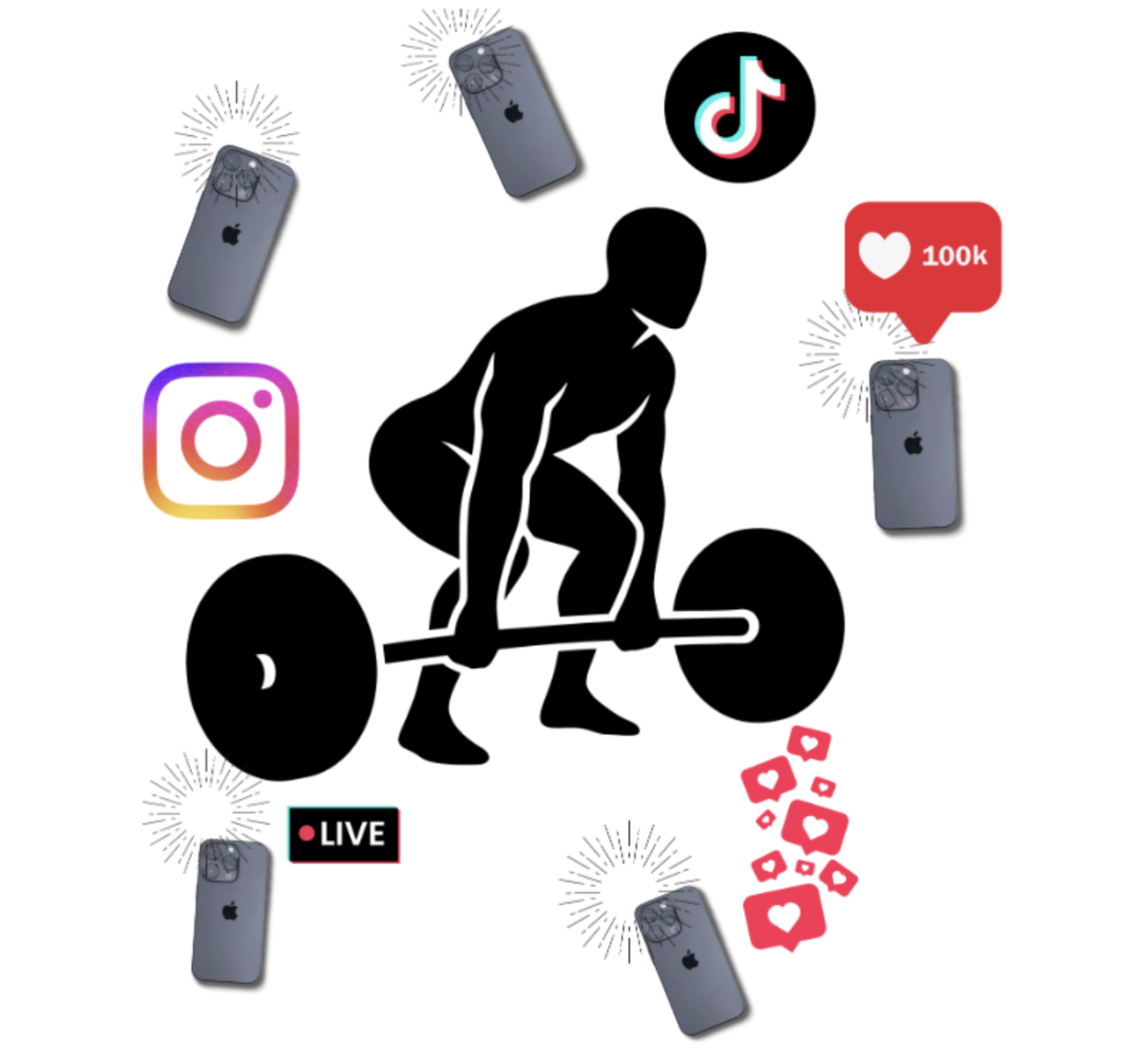
The billions of 10-15 second clips that populate the online space are perversions of true human experience, nothing more than slices of life chopped, edited, and doctored that lack the emotional element that characterizes us as part of the human species.
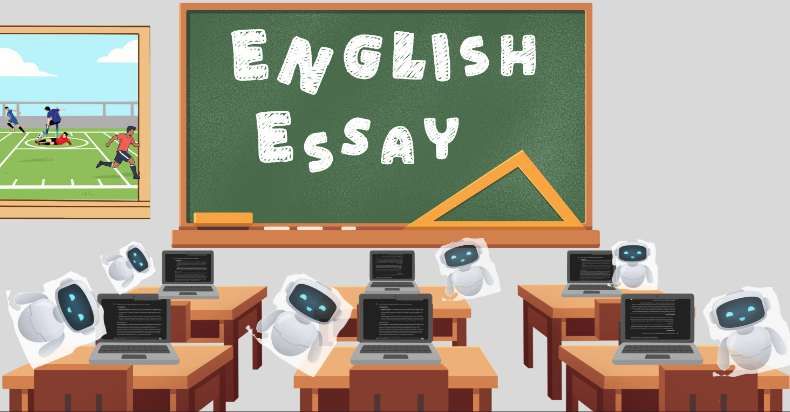
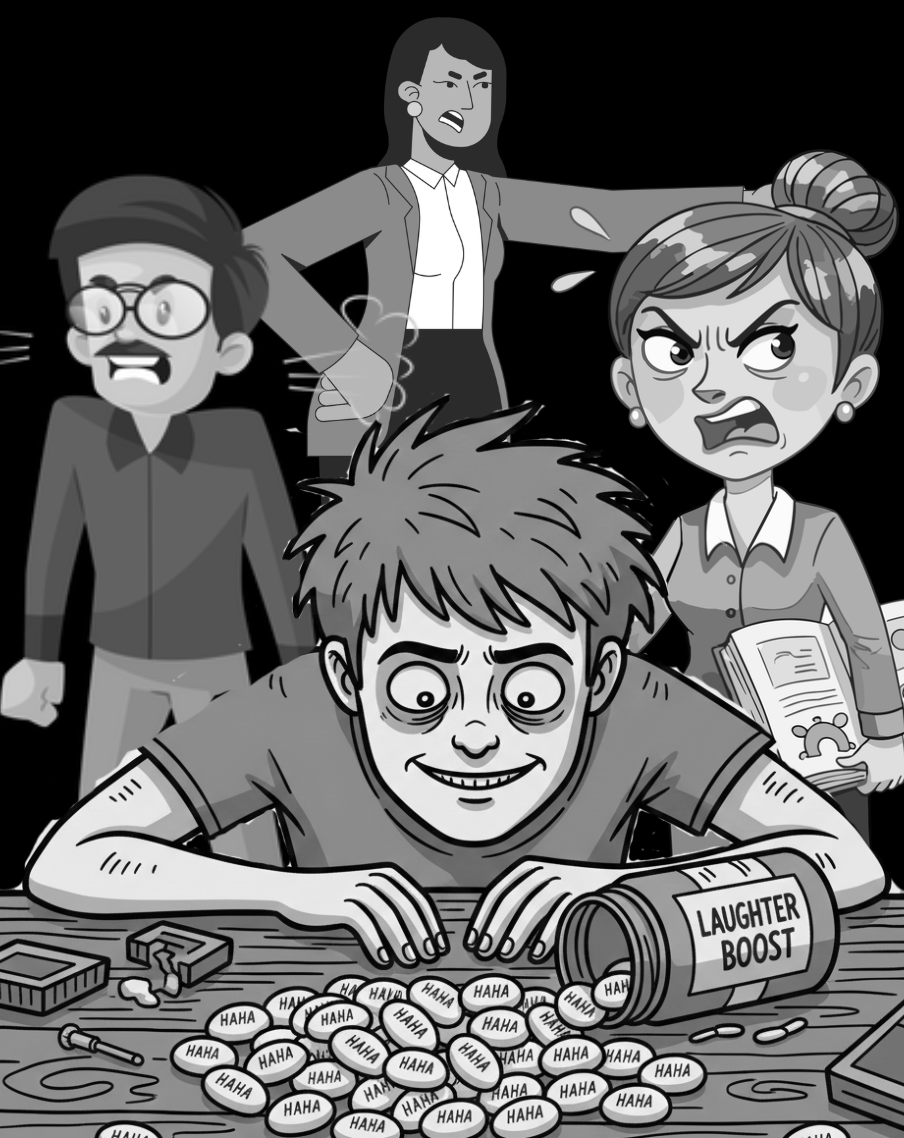
In a similar fashion, large-language-models have certainly proved to be true to their name. We can all recognize that artificial intelligence is nothing more than a fanciful wordsmith, churning out substance-less stories at a mere click of a button to satisfy our every whim.
In giving up our birthright as storytellers to this technology, we lose a bit of ourselves, we lose a sense of our place in the world. We have an obligation to tell stories and keep the human tradition alive.
In application, we must begin to branch back out, not only for ourselves, but for the strength of society. Psychological studies found that telling more stories increases one’s attractiveness in society, giving them greater social status. A society that shares stories has greater abundance of life, more procreation, and stronger bonds within the community.
And getting better isn’t particularly difficult. For starters, it’s time to overcome the fear of public speaking. Take a class like AP Seminar, do a presentation without speaker notes, be comfortable with stumbling and staying on your feet, and open yourself to being vulnerable. These skills alone allow you to grasp deeper at how to communicate and tell stories that are valuable to an audience.
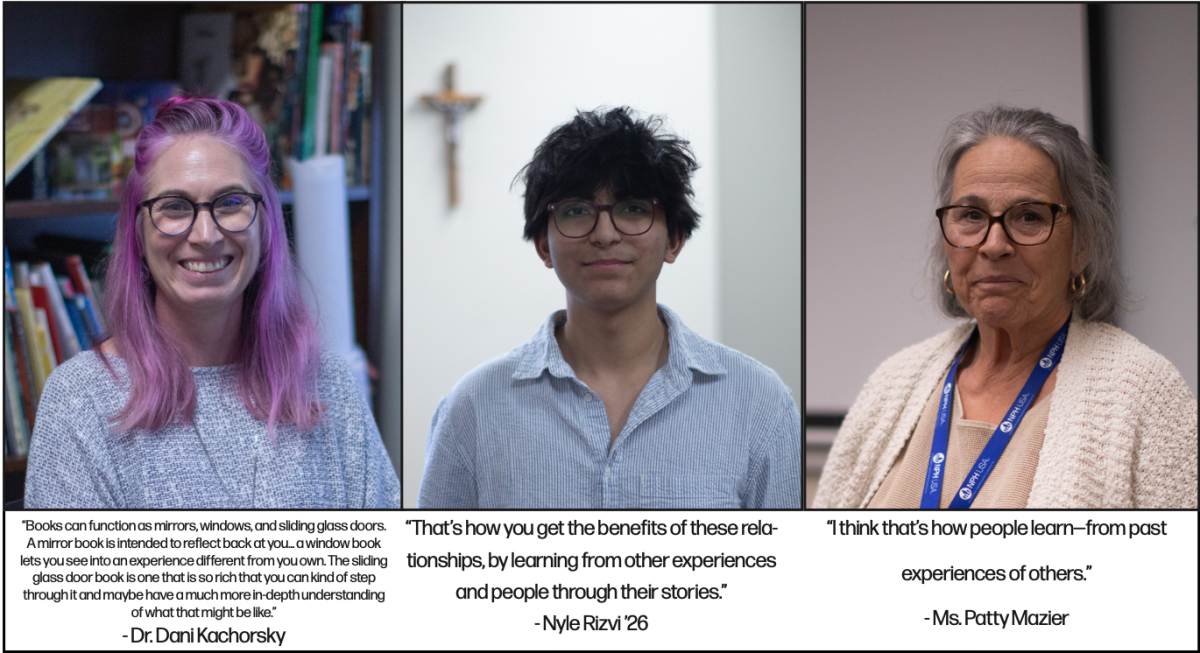
For the audience, it is important to continue to listen, relate the stories shared, share anecdotes, and strengthen the bonds that unite us as a society. Don’t be so brief to cut off someone while they share their experiences, take a breath to slow down and encounter humanity through their stories.
Humans were made wired for storytelling, a necessity for progress and connection, but in a world engulfed by direct messages, it is a dying art. It’s time to take a leap, share a story, educate through your experience, and encounter the world through the eyes of your peers, for your own sake, and for the community around you.