













Arizona State University’s improved medical school, the John Shufeldt School of Medicine and Medical Engineering, is now recruiting for its inaugural class of 2026 after receiving preliminary accreditation on Oct. 22.
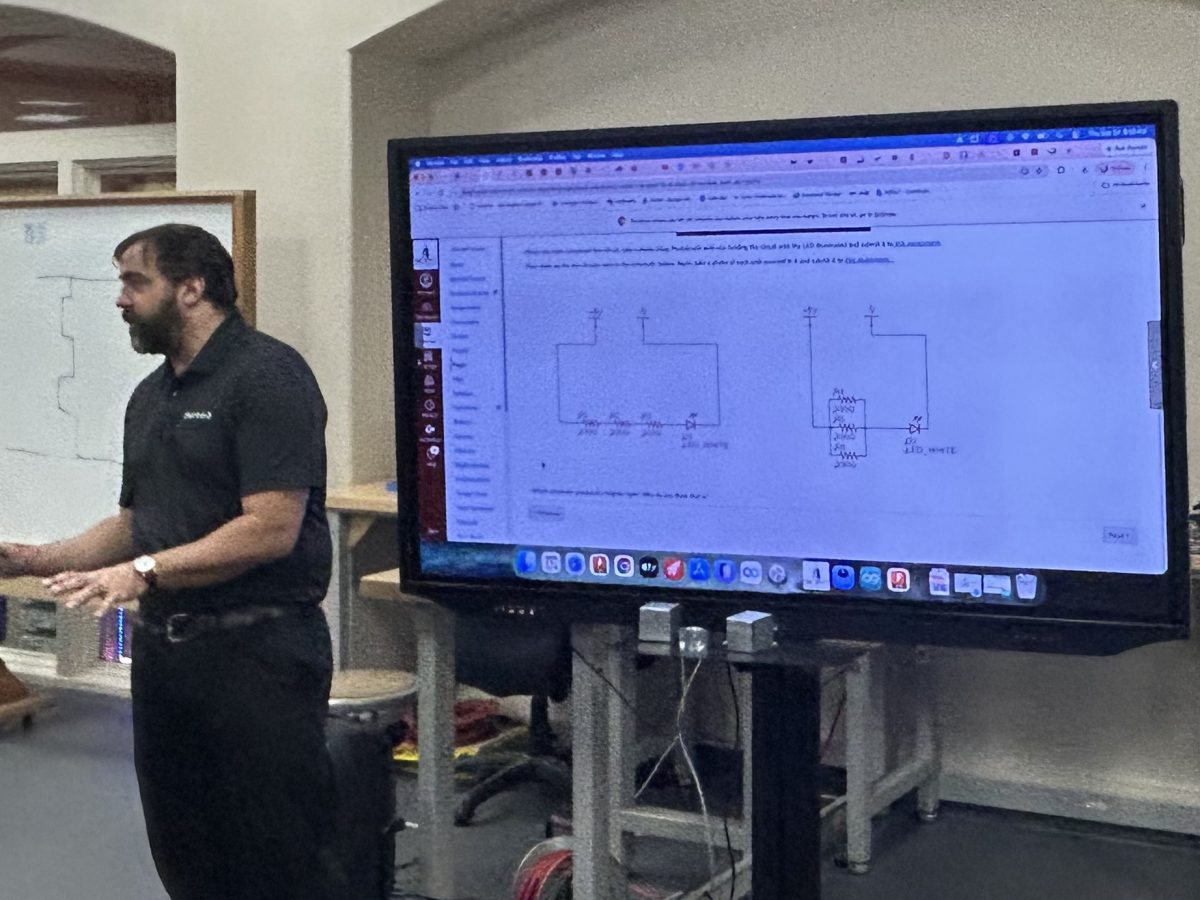
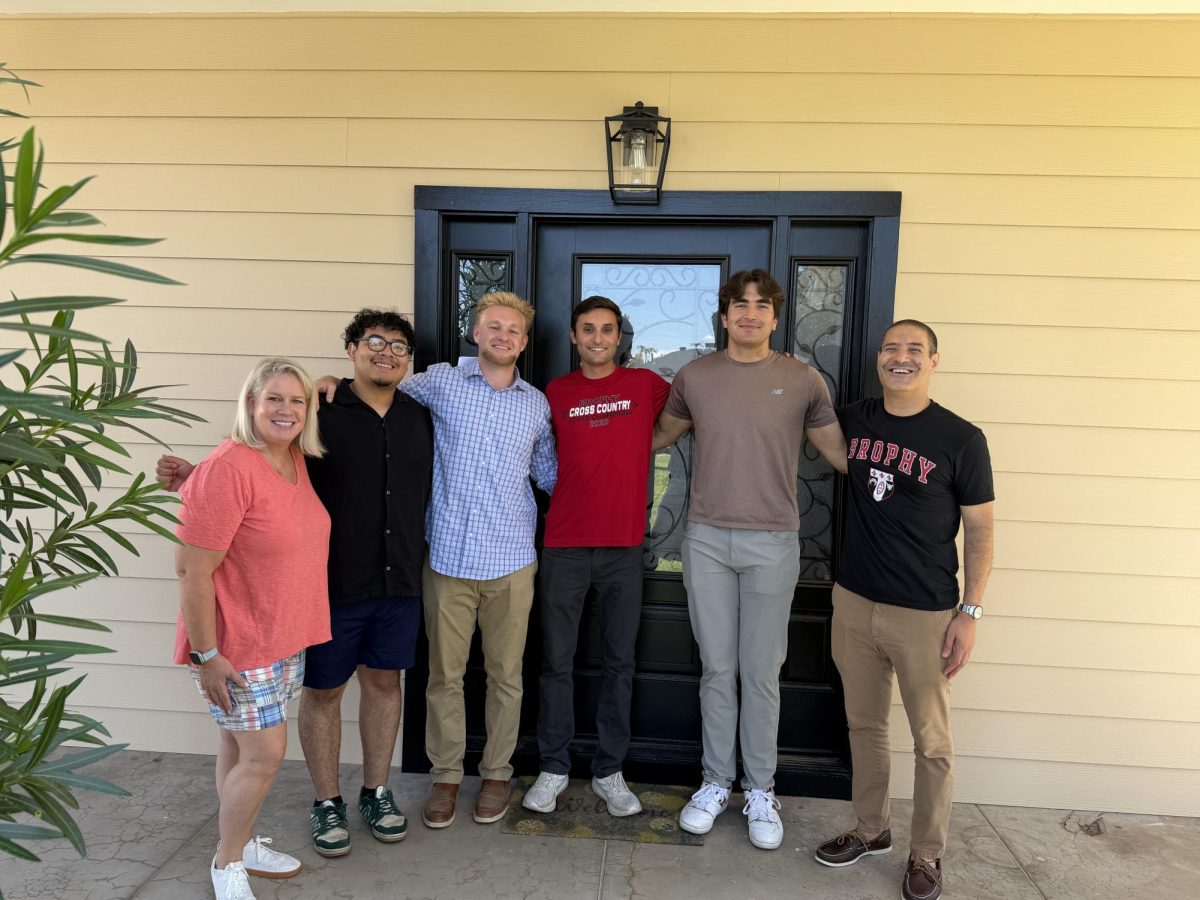
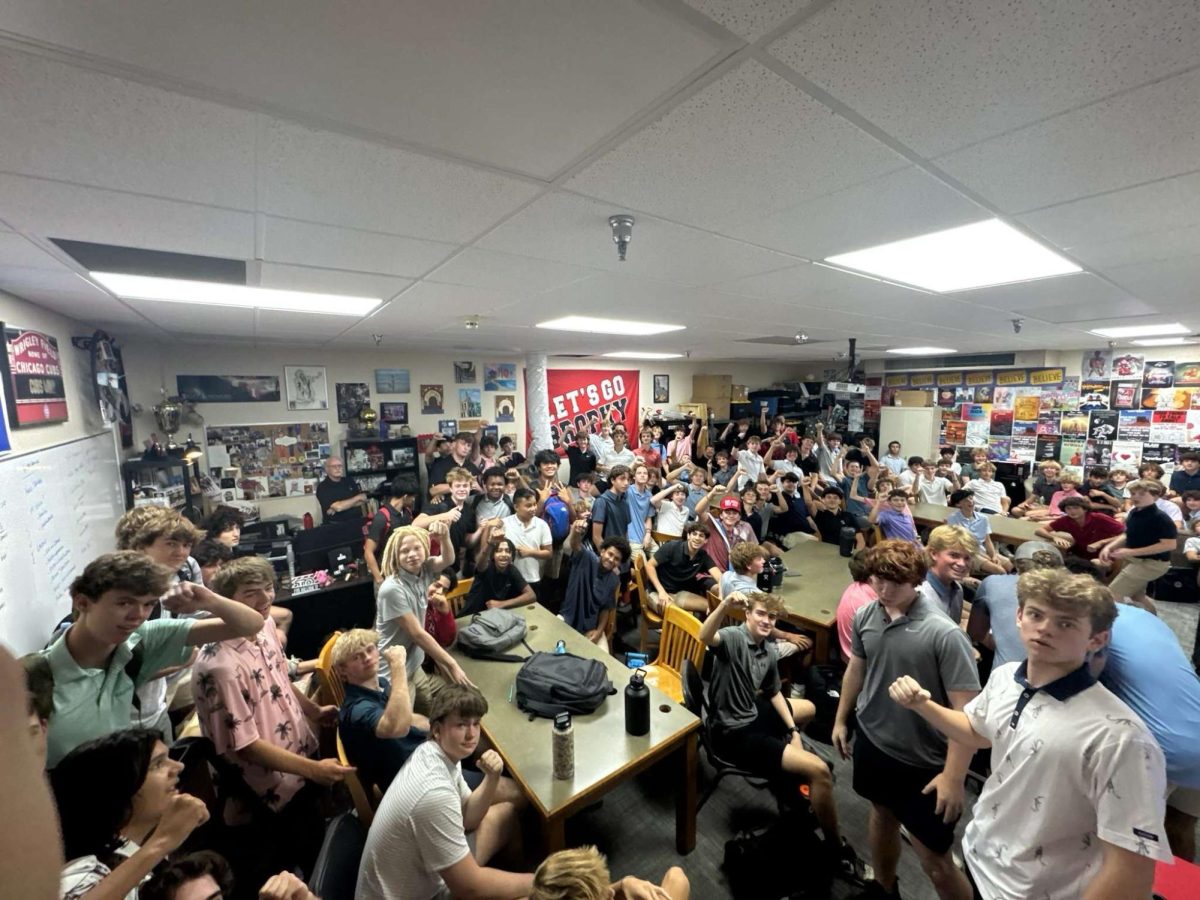
Brophy alumnus Dr. Jordan Coulston ’98 returned to speak with students about the new school of which he is spearheading; he spoke about how this is a program that could reshape the way future Brophy graduates enter healthcare.
ASU’s new medical school started recruiting this week after receiving preliminary accreditation on Wednesday. It is located in downtown Phoenix’s Biomedical Campus, joining the growing ecosystem of medical and health science programs in the city. What makes this school stand out is its dual-degree model — students will graduate with both a Doctor of Medicine and a Master’s in Medical Engineering in just four years.
“New schools of medicine are rare, especially in this country, and so building a new one here in Phoenix is a big deal,” said Coulston. “We understand that the future of medicine requires people who are kind of problem solvers, who fundamentally understand and question the way things work, and build and work in teams.”
For Brophy students, that mindset might sound familiar. The school’s emphasis on innovation, service, and reflection mirrors ASU’s vision for medicine. Coulston noted that Brophy’s integration of engineering and ethics aligns with the future of medical education. “It sounds to me like what we’re doing is a lot of what Brophy tries to do in much of his coursework, kind of blending different parts and innovation with engineering. That’s very much what we intend to do. We’ve got humanities faculty on staff. We have engineers on staff. We have clinicians on staff. We have basic scientists on staff. And so we think it’s this kind of intersection of medicine, of engineering, of technology, and of humanities that’s going to provide the path forward,” he said.
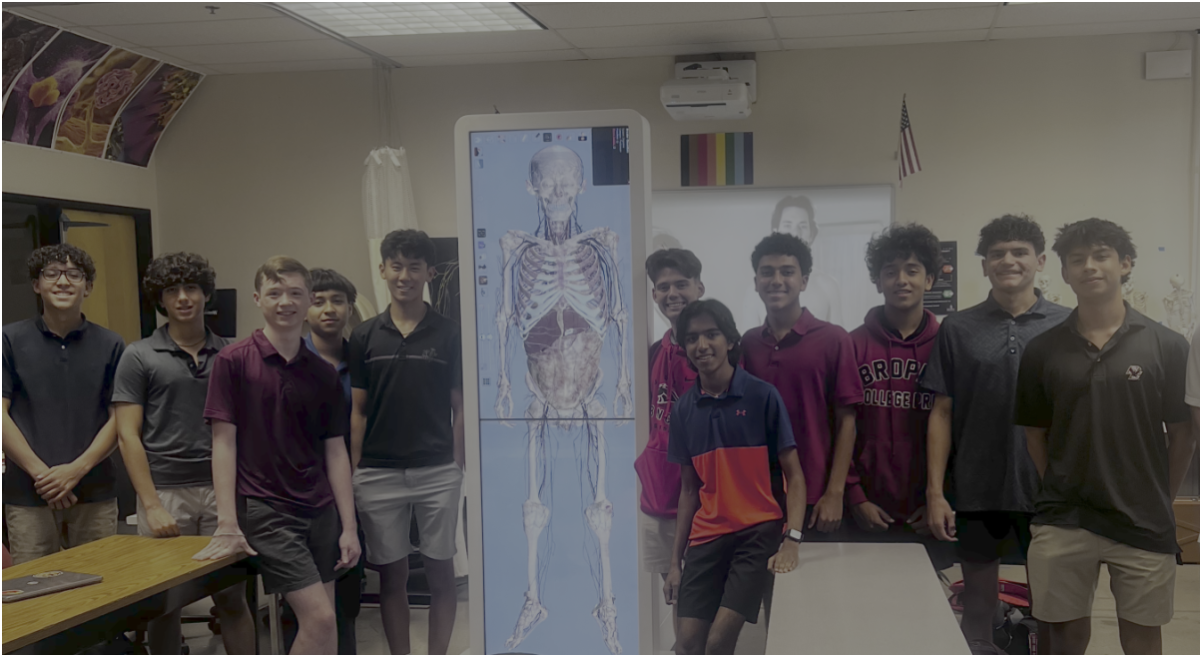
ASU’s program will use 3D virtual anatomy labs, AI as an accelerant for learning, and CT scanning ultrasound platforms to teach students. Instead of relying solely on cadavers, the school will employ “digital donors” and 3D models to simulate the human body, similar to Brophy’s anatomy teaching methods. Students will be able to work directly with patients through the formal agreements that they are setting up with community health organizations like St. Vincent de Paul, connecting medical technology with service for underserved populations.
While the school is still awaiting final accreditation, the goal is to enroll its first class of about 30 students, with plans to expand in the future. Coulston also shared his hope to strengthen the connection between ASU’s medical program and Brophy, offering potential tours, mentorship, and collaboration with Brophy’s Modern Medicine Club.
He ended with a message directly to students considering the medical field: “Being a doctor is a certain privilege in that you get to see people at their most trying and challenging of times. And that’s like your every day. So your every day is somebody’s potentially worst day or best day. And so I think going to Brophy allowed me to take that to heart, that serving others and helping others is really… part of living a full life.”