









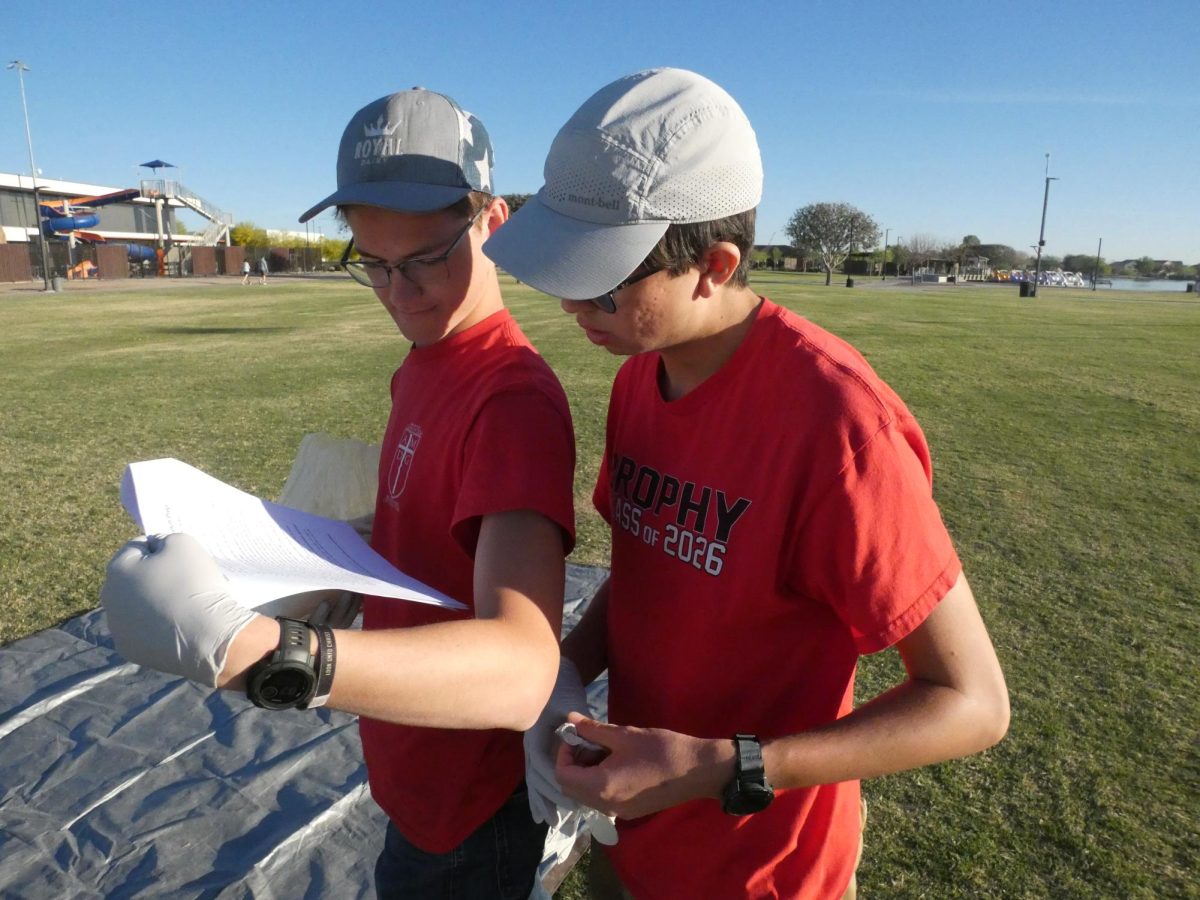
On March 23, Brophy CubeSat redeemed itself by launching the weather balloon DesertSky-3, only months after DesertSky-2 failed due to a helium leak. The club spent those months lightening their payload, increasing redundancy in their helium supplies, and building a new PVC connector to fill the balloon.
Brophy CubeSat is a club founded with the goal of launching a small satellite, called a CubeSat, into space. To achieve this they are currently focused on developing equipment and practices with test weather balloon launches. Desert Sky 3 in particular was carrying a new solar cell from an ASU professor, which may open the door for potentially cheaper solar cells. These cheaper solar cells, if effective, could increase access to satellite launches for other high schools across the country.
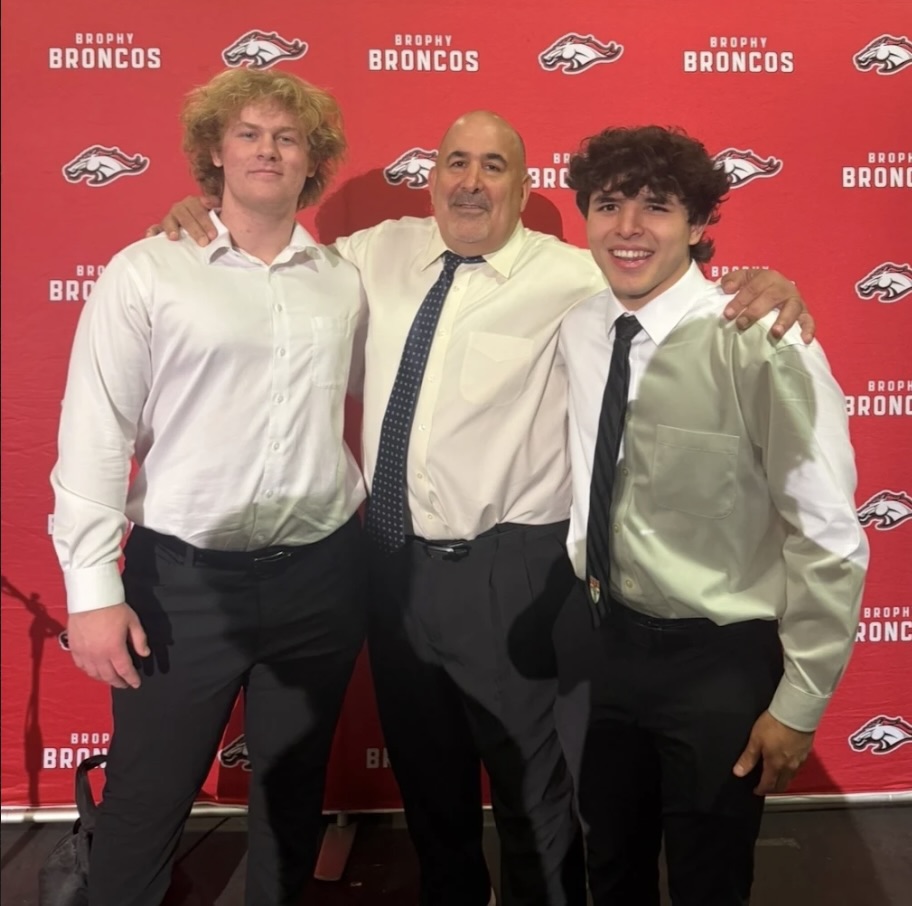
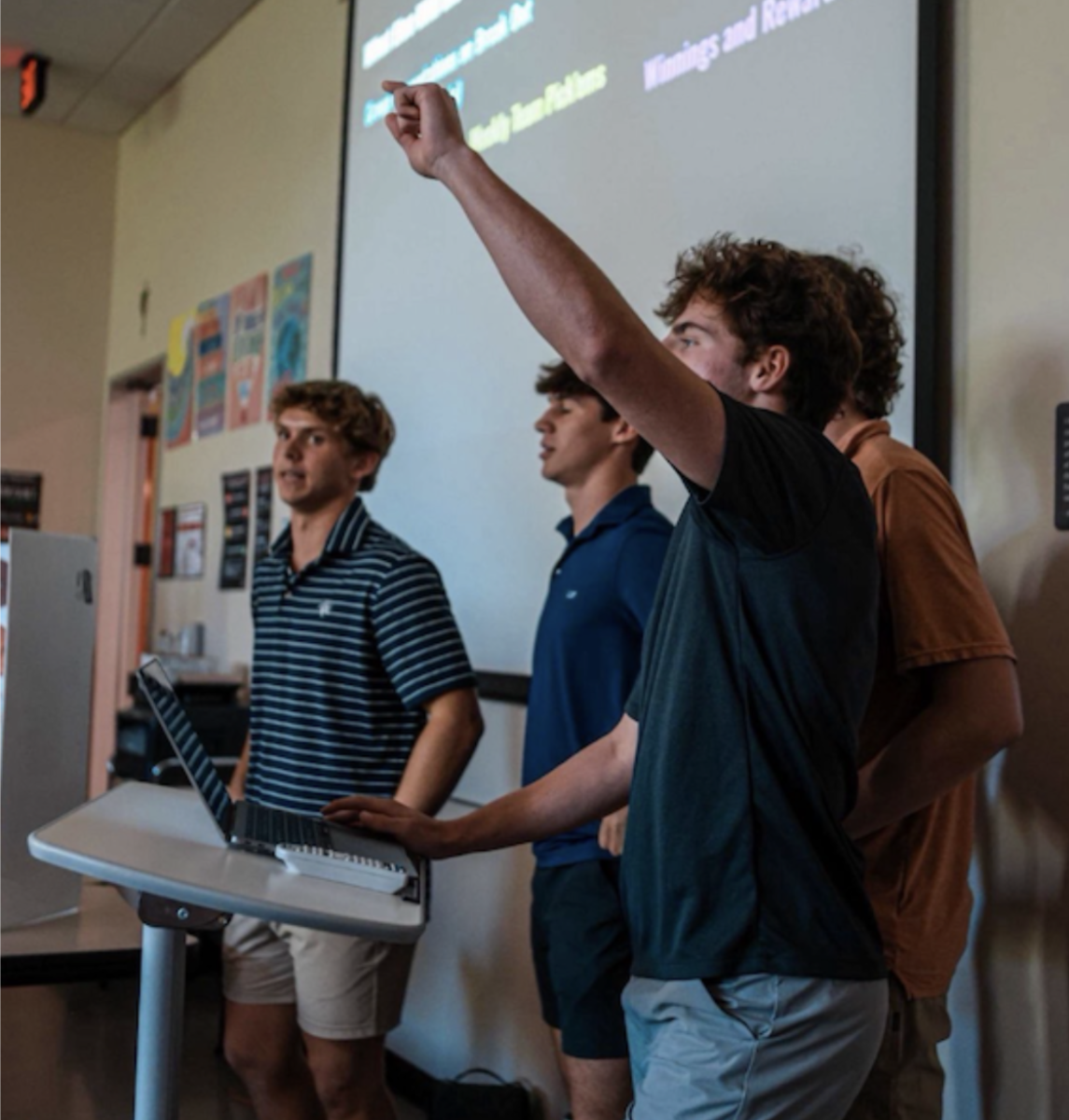
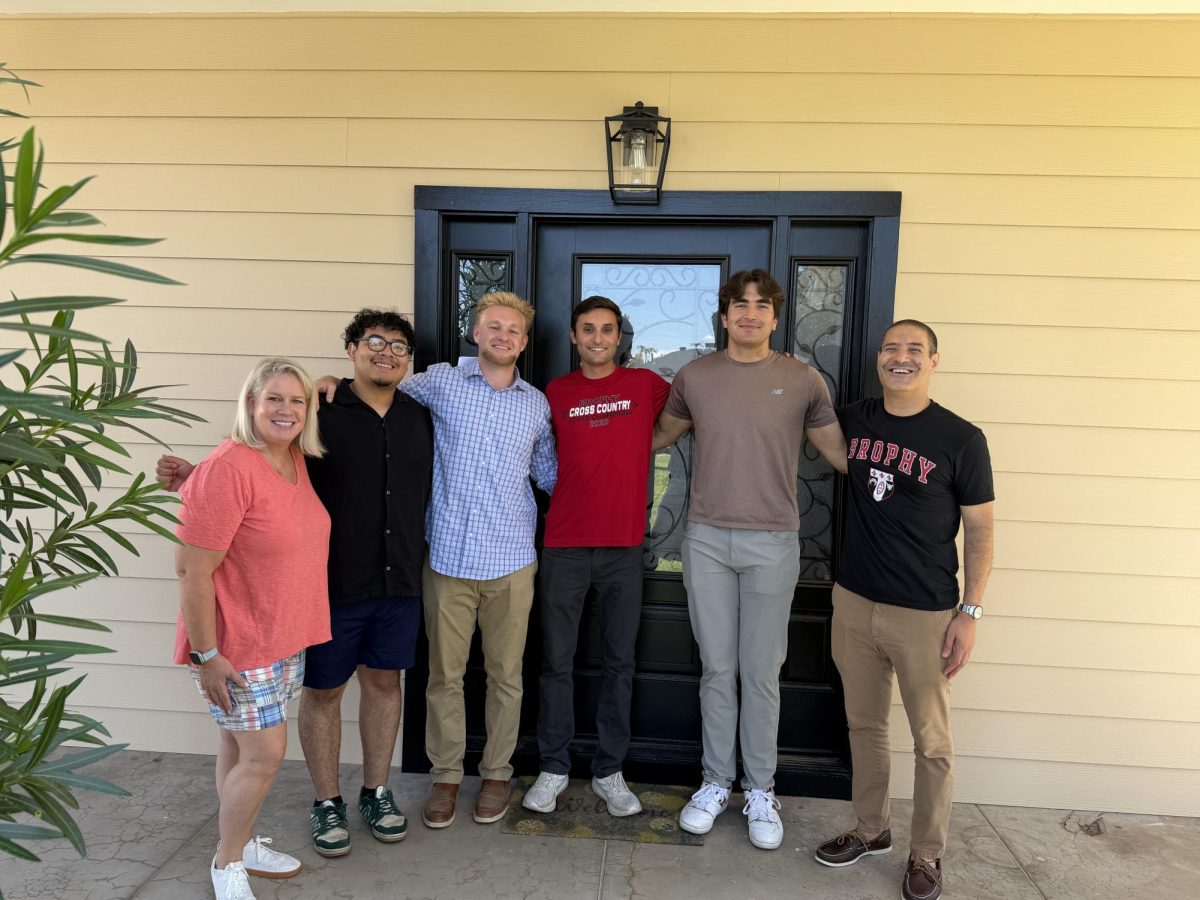
“The mission was a success. We launched the payload successfully and found it a few hours later,” said Leo Ma ‘26, the club co-president. “The wind pattern was a lot better this time around and we were able to launch from a park in Maricopa,” said Lucas Vargas ‘26, the other co-president. There was a slight hiccup on landing and recovery as the balloon “narrowly missed some powerlines” according to Vargas.
The club was able to learn and test many things with this launch. The solar panels seemed to work successfully. “We still need to analyze the data but overall there was a consistent voltage,” Ma said. The club was also able to test other systems as well. “Part of it was also developing the radio system,” Vargas said. This “packet radio” is used to receive data from the balloon as it transits through the sky.
Beyond the technical data the club also gains knowledge from these launches. “We got the experience we need to move forward,” Ma said. The weather balloon launches help the club practice building and testing equipment, while also learning how to deal with the more extreme environment of space.
The successful launch leaves the club with a hope for the future. “Leo and I are on our way out,” Vargas said, “but this year went very well, and we put it in a position where there are many developing leaders.” They now look to the future, striving to achieve their goal of a CubeSat launch. “The next step will be working on our CubeSat development board to go into the actual satellite,” Vargas said.