






Why do some clubs at Brophy grow quickly while others struggle to keep members? It might seem like the answer comes down to having a strong idea, but student leaders and administrators say that isn’t what matters most.
Instead, successful clubs are usually the ones where leaders focus on keeping members involved and engaged from the start.
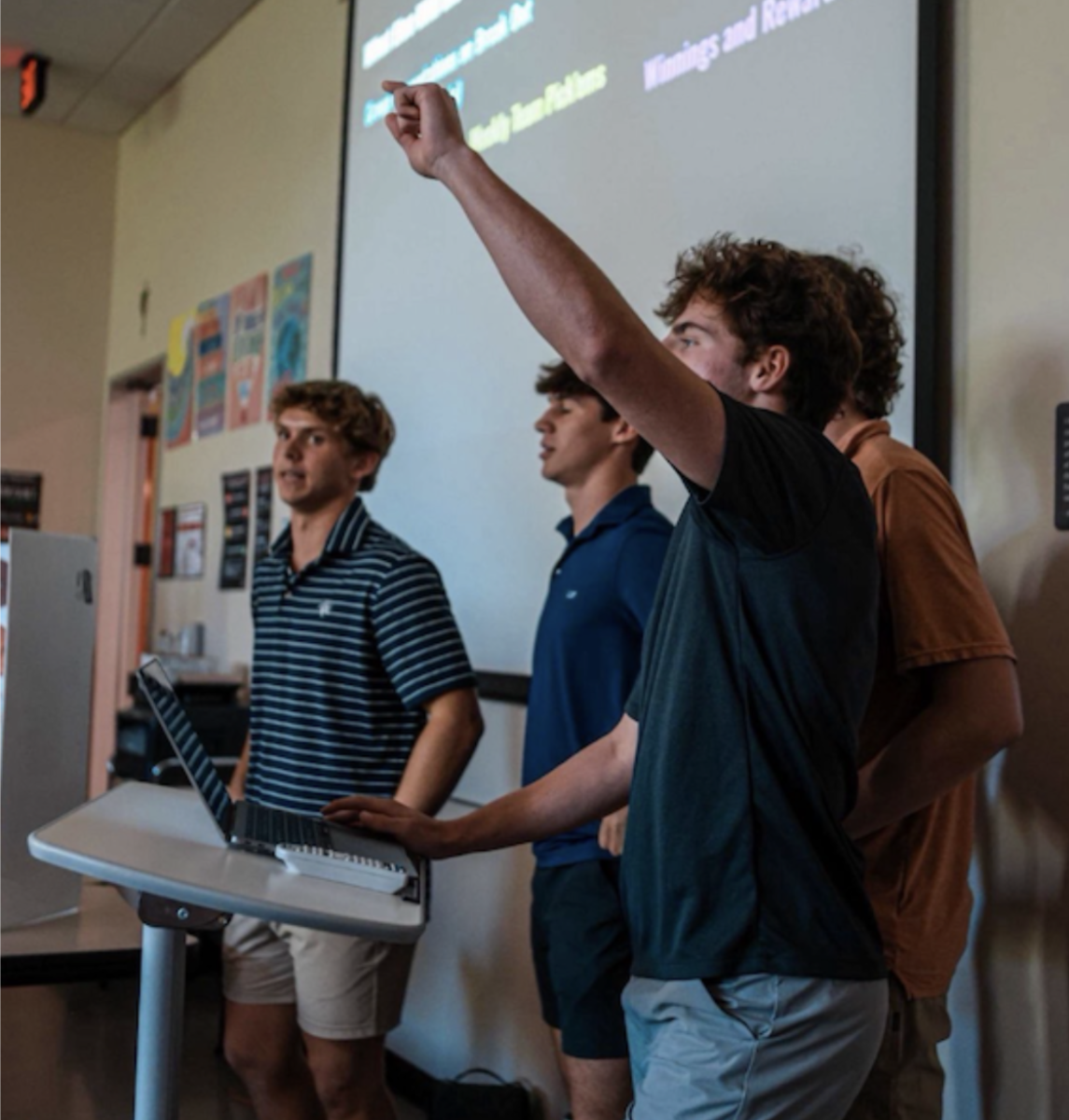
The Fantasy Sports Club, founded this year, has become one of the most active clubs on campus. Co-founder Rhett Lindstrom ’27 said the club’s focus is on making sure every member has a voice.
“We make sure that everyone is heard. We do our best to make sure that everyone is given the opportunity to speak,” he said. That approach helps create an environment where students feel comfortable participating rather than just watching.
Another leader, Brady Lauer ’27, said that keeping meetings fresh also plays a big role. “Members never know what will happen at an up-and-coming meeting,” he said.
“When we do something that members really enjoy, we make sure to do this again in future meetings.” By mixing new ideas with familiar activities, the club has been able to keep students interested over time.
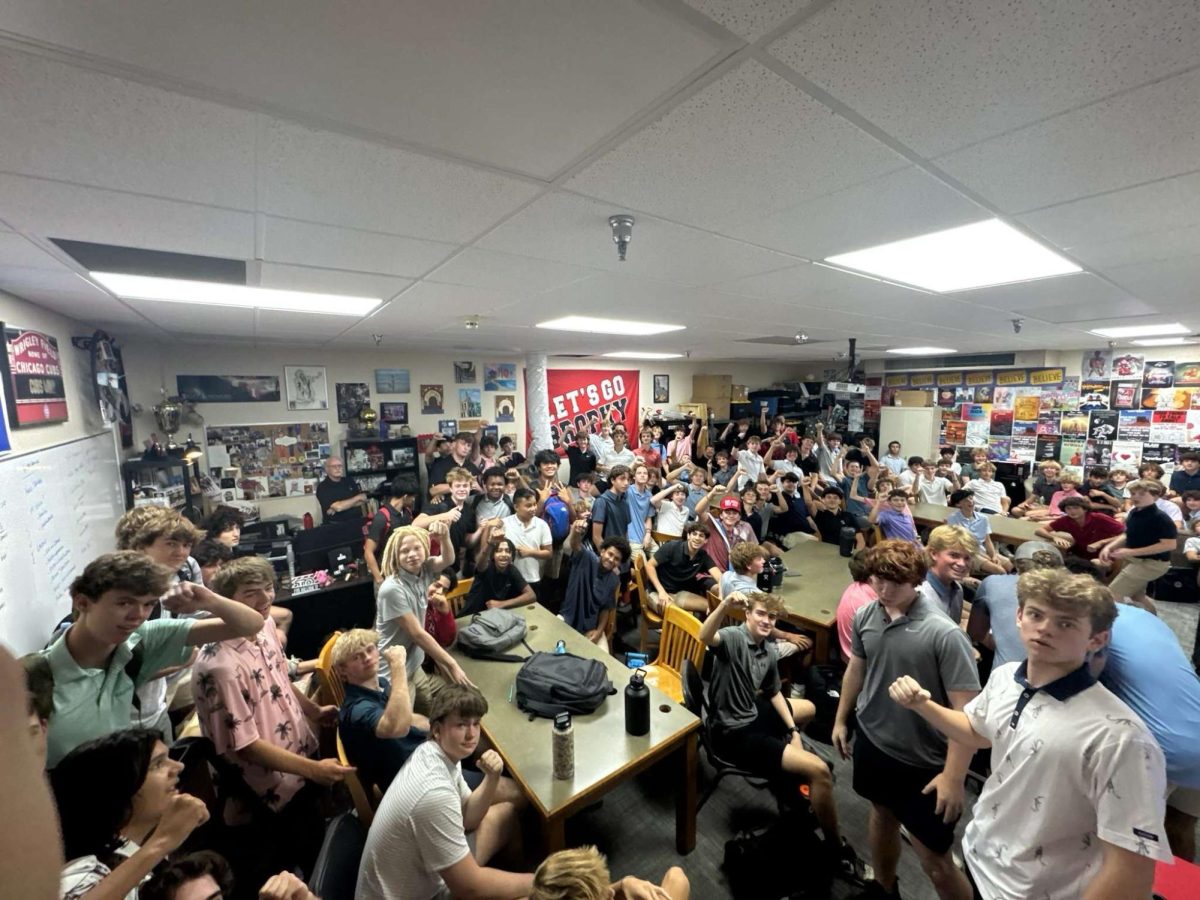
Mr. Pete Burr ’07, Director of Student Activities, said this pattern shows up across many clubs. He explained that the most successful clubs are the ones where students can “meaningfully get involved right away,” rather than feeling like they are just there to listen.
He also noted that strong clubs usually have student leaders who plan meetings with intention and think about how to include everyone.
That idea points to a larger trend across campus. In a school with so many club options, students are not going to keep showing up if they do not feel involved. Even a good idea will not last if meetings feel repetitive or unengaging.
While different clubs focus on different topics, the same pattern appears. Clubs that prioritize participation and energy tend to grow, while those that don’t often struggle to keep members coming back.