

















“Peptides are one of those things everyone in the fitness world is talking about right now because they’re supposed to help with recovery and performance,” says Michael Tezanos ’29.
He adds, “A lot of people see them as the next big thing since they’re more targeted than traditional stuff and sound way more ‘science-based.’ Whether or not they live up to the hype, they’ve definitely taken over gym conversations and social media, especially with athletes always looking for an edge.”
These perspectives capture how peptides are currently shifting the culture at schools like Brophy.
Blake Bramlett ’27 notes the role of digital influence, stating, “I think social media definitely influences people on peptides. I think TikTok can romanticize peptides and often mislead people.”
Bramlett also says, “I do think there is some informational and helpful content out there.”
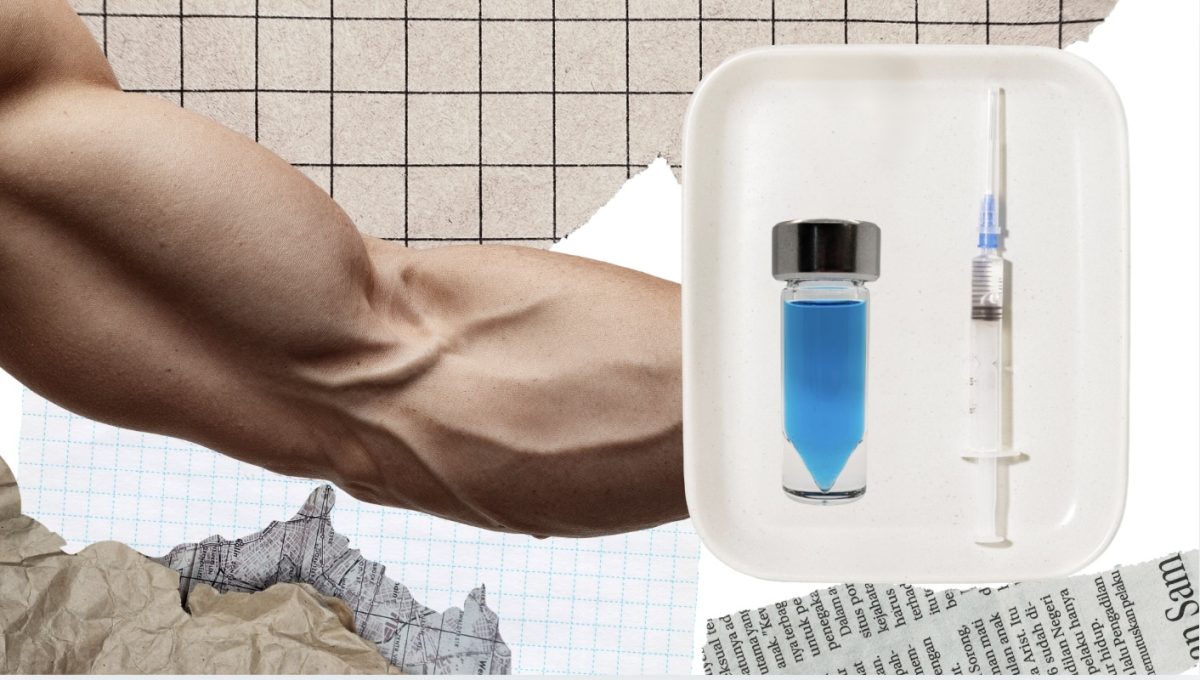
If you are a teen on social media today, you have likely encountered the polarizing debate surrounding peptides. While some promote them as a shortcut to physical perfection, others highlight the inherent risks. Given their prevalence, it is essential that these substances are approached with extreme caution, particularly by teenagers.
Many creators on platforms like TikTok frame peptides as a way to fix one’s genetics, get bigger, and improve overall appearance. For some, this promise offers a path toward increased self-esteem and confidence.
Peptides offer an alluring path toward physical enhancement, but there remains a thin line between safe supplementation and the influence of social media-driven misinformation.
For Brophy students, navigating this trend requires deciding whether you value long-term health and wellness over the appeal of a better looking face and physique.